English
 Español
 لالعربية

automatic can filling and sealing machine
release time:
2026-11-06
1. What products can an automatic can filling and sealing machine pack?An automa
1. What products can an automatic can filling and sealing machine pack?
An automatic can filling and sealing machine can work with different filling modules to pack many kinds of food. Common products are listed below:
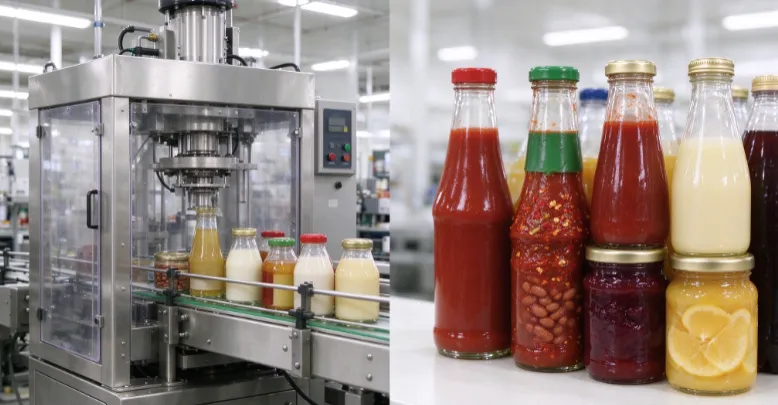
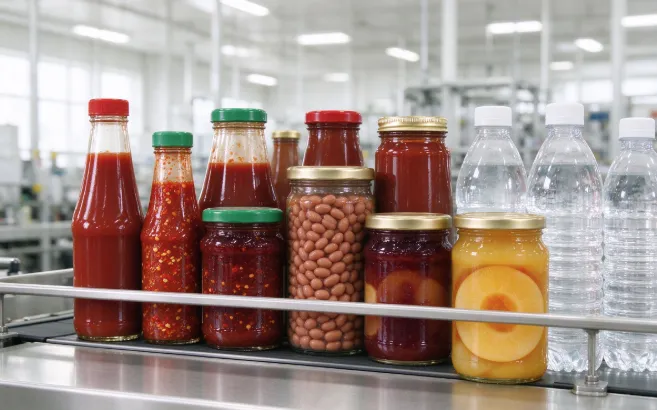
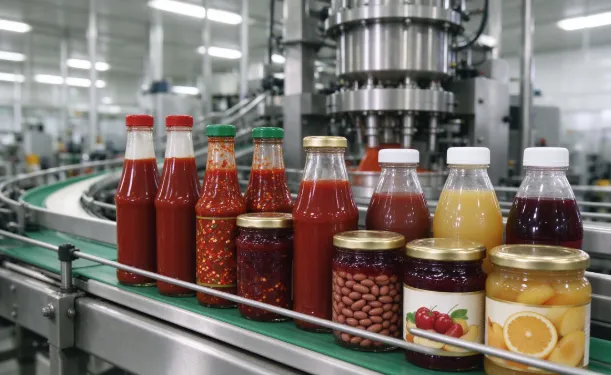
Fruit cans and vegetable cans: yellow peaches, pineapples, mushrooms, sweet corn, beans and more. Many of these products contain both solid food and liquid soup. We can match the right measuring and filling structure for them.
Meat cans and fish cans: tuna, sardines, luncheon meat, meat paste and others. For these products, the machine can load solid food first, then fill soup. After filling, the can is sealed for later sterilization.
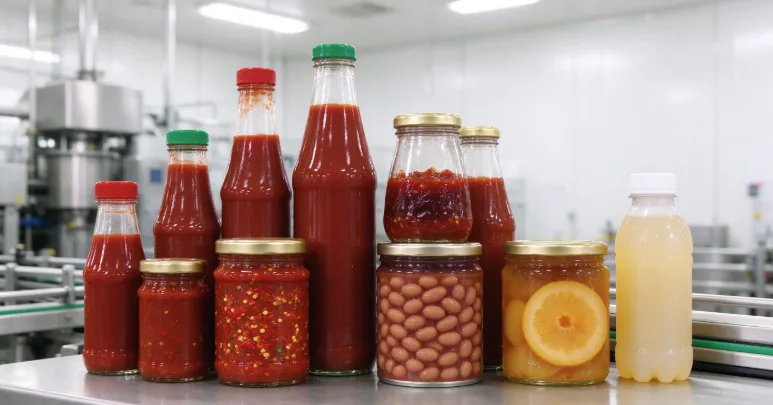
Sauce and seasoning cans: tomato paste, chili sauce, curry paste, broad bean paste and so on. These materials are thick. We select pumps and filling heads that work well for viscous materials to reduce sticking and dripping, and keep consistent filling weight for every can.
Canned drinks: fruit juice, tea drinks, canned coffee, plant milk and more. For carbonated drinks or hot-fill drinks, separate machine configuration is required.
This machine is designed for metal cans, mainly tin cans and aluminum cans.
2. What is an automatic can filling and sealing machine?
An automatic can filling and sealing machine is an automated packaging system. The machine automatically feeds empty cans, fills materials with fixed volume or weight, delivers can lids, seals can mouths, and outputs finished sealed cans. It is widely used in food and beverage factories.
Compared with manual filling and manual can sealing, this machine cuts down labor work, raises production speed, and keeps the filling weight and sealing result the same for every can.
You can change different filling systems to match materials in different states:
Liquid filling module: for free-flow materials such as juice, soup and drinks
Paste filling module: for various sauces and thick pastes
Granule filling module: for solid granules such as corn, beans, mushrooms and nuts
Powder filling module: for powder products suitable for can packaging
Factories can combine filling structures and sealing structures based on their own products to match production capacity and packaging requirements. All parts that touch food are made of 304 stainless steel by default to meet food hygiene standards.
3. How does an automatic can filling and sealing machine work?
The machine has multiple working stations. Cans pass through these stations in sequence to finish filling and sealing. The standard process has 5 steps:
Automatic empty can feeding
Empty cans move along the conveyor into the machine. A positioning structure locks each can at the filling position. This step does not need workers to place cans one by one and keeps production running continuously.
Quantitative filling
After the can is in place, the machine fills materials according to the preset weight or volume. Different materials use different filling methods:
Normal liquid: gravity filling, flow meter filling or piston pump filling
High-viscosity paste: piston pump filling
Granule food: weighing filling
Powder material: screw metering filling
Choosing the right filling method reduces material waste and lowers the weight error of each can.
3. Automatic lid placing
Once filling is done, the can moves to the sealing station. The lid feeder sends matched metal lids to the top of the can.
4. Automatic can sealing (double seaming)
After the can and lid are aligned and fixed, sealing rollers carry out seaming. Most food metal cans use the double seam process. It folds and presses the edge of the lid and the edge of the can body together to form a tight seal.
Sealing quality is affected by can size, lid size, material and machine setting. Good sealing directly decides how long the canned food can be stored.
5. Finished can output
Sealed cans are sent out of the machine by the conveyor. After this step, the cans can connect to other equipment for washing, date coding, labeling and case packing. If you need a full automatic production line, we can connect this filling and sealing machine with other packaging machines.
4. Main features of this machine
High level of automation It automatically feeds cans, fills products, places lids, seals cans and discharges finished cans. Only little manual work is needed during production.
Stable filling weight Matched measuring structures control the filling amount of each can and reduce weight deviation.
Reliable sealing performance It uses a special can seaming head. After correct setting, it keeps producing qualified double seams steadily.
Compatible with many materials Replace the filling module, and the machine can handle liquid, paste, granule and other materials. It fits factories that make many different products.
Easy to clean and maintain Food-grade structure design. Parts touching materials can be taken apart and rinsed easily. If your factory often switches between different products, less time is needed for cleaning between batches.
Customizable We adjust the machine structure according to your can diameter, can height, filling volume, material type and output per hour.
Optional quick changeover If one production line runs cans in multiple sizes, you can add quick changeover parts to cut downtime when changing molds.
5. How to select the right automatic can filling and sealing machine
Buying this machine is a long-term production investment. Factories have different products, can sizes and capacity targets. You need to check these points when selecting equipment:
Confirm the product you will fill Liquid, paste, granule and powder have different physical properties. They cannot share the same filling head. For liquid products, focus on anti-drip design and flow control. For thick sauces, check the pump conveying ability. For granule products, avoid breaking materials and make sure weighing is accurate.
Confirm can specifications Prepare this information before inquiry: can diameter, can height, can material, can shape, lid size and filling volume per can. If you use multiple can types, confirm whether the machine supports changeover and whether extra molds are required.
Set target production capacity Decide how many cans you want to produce every hour. Small processing plants can choose low-speed models that are simple to operate. Large factories for continuous mass production need high-speed models that run stably for long hours. Do not buy a machine with too high capacity to waste cost, or too low capacity to slow down your whole line.
Confirm filling accuracy requirement Filling accuracy affects raw material cost and product compliance. We can test the filling error with your actual product samples.
Pay close attention to sealing performance Can sealing is critical. It relates directly to food safety and shelf life. You need to confirm: whether the machine supports double seam, compatible lid sizes, adjustment methods, and whether it can work with sealing inspection equipment. If your product requires commercial sterility and later sterilization, the sealing solution must match your sterilization process.
Choose automation level If your budget is limited, you can pick a semi-automatic model. If you want less labor and continuous mass production, a fully integrated automatic model is recommended.
Check after-sales support from the supplier Packaging machines run for many years, so after-sales service matters. Confirm whether the supplier can provide on-site installation guidance, operator training, remote technical support, continuous supply of spare parts and regular maintenance guidance. Good after-sales support reduces machine downtime.
6. Factors that affect machine price
This machine does not have a fixed price. The final cost depends on configurations. Main factors are:
Automation level: fully automatic models have more complex mechanical and control systems, so they cost more than semi-automatic ones
Filling material type: liquid, paste, granule and powder need different filling assemblies, with different costs
Production speed: higher speed requires stronger mechanical structure and control system
Number of can sizes supported: supporting multiple can types needs extra changeover molds and adjustment assemblies
Seaming head configuration: different can diameters and lid types need seaming heads of different sizes
Auxiliary line equipment: adding conveyors, coding machines, labelers, case packers and other equipment will raise the total cost of the solution
When sending an inquiry, provide product samples, can drawings, filling volume and target output per hour. This helps the supplier prepare an accurate plan and quotation.
7. Differences between automatic can filling and sealing machine and ordinary filling machine
An ordinary filling machine only puts materials into containers. After filling, you need another separate machine to close or seal the container. An automatic can filling and sealing machine combines filling and can double-seaming. One machine finishes filling and can sealing in sequence.
| Comparison Item | Ordinary Filling Machine | Automatic Can Filling and Sealing Machine |
|---|---|---|
| Core Function | Quantitative filling only | Quantitative filling + metal can double seaming |
| Sealing Method | Needs separate sealing equipment | Built-in special can seaming head |
| Suitable Containers | Bottles, buckets, bags and more | Metal cans (tin cans, aluminum cans) |
| Production Flow | Cans go to another machine for sealing after filling | Sealing is completed right after filling on the same machine |
| Application Industries | All kinds of packaged products | Food cans, canned drinks and more |
Select machines according to your container type and production process, not only by the machine name.
8. FAQ
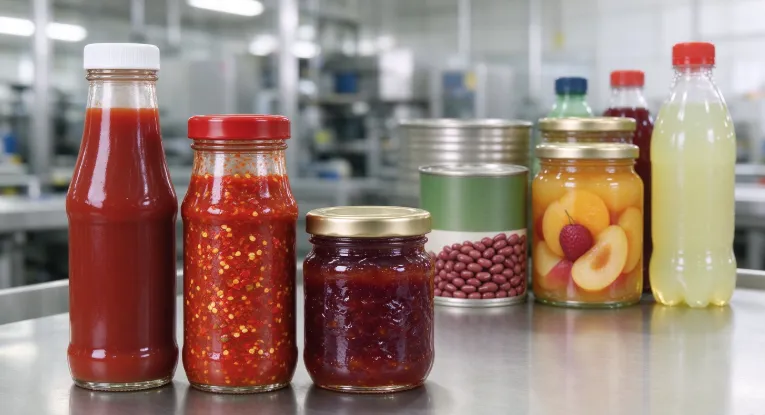
Q1: What products can an automatic can filling and sealing machine fill? With different filling modules, it can fill juice, soup, tomato paste, chili sauce, sweet corn, beans, fruit cans, meat cans and more. Different materials need matched filling structures.
Q2: What kinds of cans fit this machine? It can work with tin cans and aluminum cans in different sizes. The final fit depends on can dimension, material and lid structure.
Q3: Can one machine finish both filling and sealing? Yes. Fully automatic models integrate can feeding, filling, lid placing and sealing into one process. The exact station layout depends on the machine model.
Q4: What production speed can the machine reach? Output depends on machine model, filling volume, material property, can size and automation configuration. Tell us your target output per hour, and we will match the right model.
Q5: Can the machine be customized? Yes. We adjust the solution based on your product, can size, filling volume, production capacity and automation requirements.
Q6: How to make sure can sealing is qualified? You need to set sealing roller parameters correctly, make sure cans and lids match in size, and check the double seam structure regularly.
Q7: Does the machine need regular maintenance? Yes. Take apart and clean material contact parts regularly. Check filling assemblies, conveyor chains, sealing rollers and electric circuits to reduce breakdowns.
9. Get your can filling and sealing solution
More and more food factories use automatic can filling and sealing equipment to increase output, stabilize packaging quality and cut labor cost.
When choosing equipment, do not only look at speed and filling accuracy. You also need to consider your material property, can size, sealing process and future capacity expansion plan. Custom solutions fit your whole production line better.
If you are looking for can filling and sealing equipment, contact us.
Please send us this information: product type, can dimensions, filling volume per can and target output per hour. We will recommend suitable machine solutions for your situation.
label: