English
 Español
 لالعربية

How a Desktop Vial Filling and Stoppering Machine Works: 4-Stage Automation, Specs & Customization Rules
release time:
2026-11-26
Vial Filling and Stoppering Machine: Precision, GMP Compliance & Sourcing Guide
Vial Filling and Stoppering Machine: Precision, GMP Compliance & Sourcing Guide for Medium & Small Batch Production
The compact vial filling and stoppering machine integrates automatic vial feeding, volumetric filling, rubber stoppering and crimp capping into one enclosed unit. This equipment is mainly built for pharmaceutical, biotechnology and aesthetic medicine industries. Take the LD-XLP01 benchtop model as an example. It is fitted with a high-precision peristaltic pump and delivers a filling accuracy of ±0.01%, with a production speed of 20–35 bottles per minute. Manufacturers do not need a large cleanroom area to meet GMP production requirements.
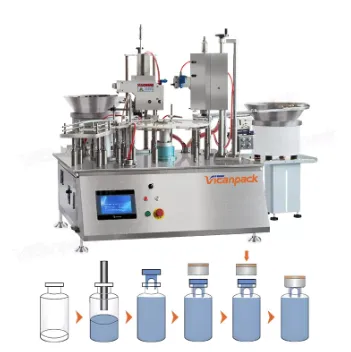
How Does a Benchtop Vial Filling and Stoppering Machine Work?
This all-in-one benchtop unit runs with an indexing rotary table system. Glass or plastic vials move sequentially to four working stations. The machine combines mechanical indexing and multiple photoelectric sensors. No manual contact with vials is needed during filling and capping, which lowers the risk of contamination inside clean environments.
Full Working Process
Automatic Vial Feeding: Vials transfer smoothly onto the rotary starwheel system to prevent tipping and scratching from direct contact between vials.
Photoelectric Inspection: Sensors at filling, stoppering and capping stations check for vials. The machine will not fill or insert stoppers if no vial is detected.
Peristaltic Pump Filling: A high-precision peristaltic pump dispenses a set volume of liquid directly into the vial. Liquid only touches the tubing and never comes into contact with internal metal pump valves. The standard filling range is 20–50 ml. Custom designs are available for smaller or larger filling volumes.
Stoppering & Crimp Capping: Rubber stoppers, aluminum caps or plastic caps are sorted and fed automatically by vibratory feeders. After filling, stoppers are pressed in tightly and caps are securely crimped before finished vials exit the machine.
Why Peristaltic Pumps Are Suitable for Aseptic, High-Value Liquid Filling
Peristaltic pumps are the preferred filling option for biologic agents, vaccines and cosmetic stock solutions. Liquid flows only inside medical-grade silicone or thermoplastic tubing. This fully isolated flow path prevents cross-contamination between different production batches and simplifies cleaning validation.
No Cross-Contamination: When switching products (for example, switching from hyaluronic acid stock solution to diagnostic reagents), you only replace the filling tubing. There is no need to take apart and clean metal piston assemblies.
Consistent Filling Accuracy: Stepper or servo motors drive the pump rollers to control liquid output precisely. It maintains stable ±0.01% filling accuracy for water-based oral liquids and thin serum formulations.
Low Shear Force on Materials: Compared with gear pumps and piston pumps, peristaltic pumps transfer liquid by squeezing tubing with minimal shear stress. This protects sensitive materials such as peptides, biological agents and probiotics and keeps their activity intact.
Standard Specifications for Compact Benchtop Models
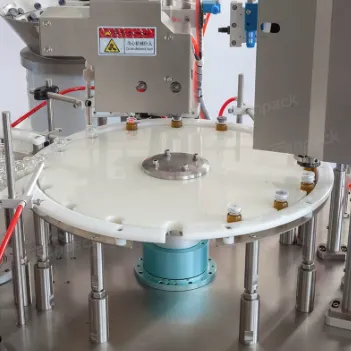
R&D laboratories, pilot production lines and OEM contract manufacturers check mechanical tolerances, utility requirements and footprint when evaluating equipment. Below are standard specifications of the LD-XLP01 benchtop unit:
表格
| Specification | Standard Value | Notes & Custom Options |
|---|---|---|
| Production Speed | 20–35 vials/min | Actual speed depends on filling volume and liquid viscosity |
| Filling Volume Range | 20–50 ml | Custom nozzles and tubing available for smaller or larger doses |
| Filling Mechanism | High-precision peristaltic pump | Max flow rate 2.5 L/min, filling accuracy ±0.01% |
| Compatible Vial Size | Height: 45–60 mm; Diameter: 22 mm; Neck Diameter:19.5 mm | Starwheels and guide rails can be custom-made for your vial dimensions |
| Compatible Cap Size | Height 10 mm × Diameter 22 mm | Custom tooling for crimp caps or screw caps |
| Machine Material | SS304 / SS316 Stainless Steel | Meets GMP hygiene standards, easy surface wiping and cleaning |
| Power & Air Supply | 100/220/380V, 50–60 Hz, 1000 W; Air Pressure 0.6–0.8 MPa | Wide-voltage design compatible with global power supplies |
| Overall Dimension & Weight | 1700 × 1600 × 1110 mm; Approx. 195 kg | Small footprint, fits through standard lab doorways and cleanroom benches |
Application Industries & Usage Scenarios
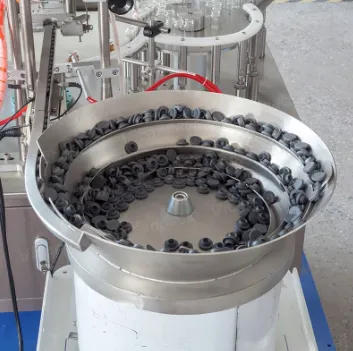
This compact vial filling line fills the gap between manual filling tools and large high-speed integrated production lines. It works best for factories that run frequent product changes and small-to-medium batch orders, mainly across three industries:
Pharmaceutical & BiotechnologyFor clinical trial samples, small-volume injections, liquid filling for lyophilized products, vaccines and IVD diagnostic reagents. The machine supports partial stoppering for freeze-drying processes and guarantees complete vial seal integrity.
Aesthetic Medicine & CosmeticsIdeal for small-batch, high-value preservative-free formulas in single-dose vials. Typical products include hyaluronic acid stock solutions, solvents for lyophilized powder, vial serums, peptide solutions and high-concentration essential oils.
Health & Functional FoodUsed to fill concentrated nutritional supplements, collagen oral liquids, vitamin drops and probiotic suspensions. It delivers accurate volumetric filling together with tamper-evident sealing.
How to Select & Customize Your Vial Filling and Stoppering Machine
Before requesting a quotation and Factory Acceptance Test (FAT), technical buyers should prepare two sets of information to ensure custom tooling matches your packaging components and reduce commissioning issues:
Material Data & Target Output: Confirm liquid viscosity, foaming tendency, filling volume per vial and required hourly output. High-viscosity liquids usually require larger-bore tubing or submerged filling nozzles to prevent splashing.
Drawings or Samples of Vials, Stoppers and Caps: Provide the exact dimensions of vial height, outer diameter, vial neck, rubber stoppers and caps. Vibratory feeder tracks and rotary starwheels are machined based on these measurements to avoid jamming during operation.
FAQ
1. What is the output of the benchtop vial filling and stoppering machine?
The standard model runs at 20–35 vials per minute, equal to 1200–2100 vials per hour. Actual speed varies based on filling volume and liquid viscosity. The speed will also change if stoppering and crimping run in the same cycle.
2. What filling accuracy can the peristaltic pump achieve?
Under stable running conditions, the high-precision peristaltic pump reaches up to ±0.01% filling error. This performance relies on stable roller pressure, anti-drip suck-back nozzles and medical tubing with uniform wall thickness.
3. Can one machine handle multiple vial sizes?
Yes. The manufacturer supplies interchangeable change parts. A single machine can work with different vial formats. To switch between vials of different heights and diameters, replace the starwheel, adjust guide rails and tune the vibratory feeder track.
4. Does this compact machine meet GMP cleanroom requirements?
Yes. GMP-compliant benchtop models use SS304 or SS316L stainless steel for product contact parts. The frame has smooth, dead-space-free surfaces and protective enclosures. The peristaltic tubing design removes internal pump valves, simplifies sterilization and prevents cross-batch contamination.
5. What utilities do I need to install this benchtop filling line?
Standard industrial power supply (100V/220V/380V, 50–60 Hz, rated power ~1000W) and dry clean compressed air at 0.6–0.8 MPa. Air powers pneumatic cylinders and crimping heads.
6. What documents do I need to provide for custom vial filling and stoppering machines?
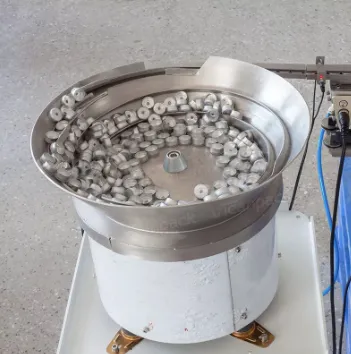
Two main sets of information: First, product details including liquid viscosity, filling volume per vial and target hourly output. Second, dimension drawings of vials, stoppers and caps, or physical samples sent to the factory for trial runs.
7. Can this machine fill both powder and liquid?
This standard version is built for liquid filling only. If you need lyophilized powder filling as well, we can supply an independent powder filling module to build a combined unit. Liquid and powder filling structures are separated to meet your production needs.
label:
related news
cosmetic tube filling and sealing machine
2026-11-27
Vial Filling Machine Manufacturers
2026-11-23