English
 Español
 لالعربية

Cosmetic Filling Machine
release time:
2026-11-03
Cosmetic Filling Machine: Buying Guide for Cosmetic ManufacturersWhen cosmetic f
Cosmetic Filling Machine: Buying Guide for Cosmetic Manufacturers
When cosmetic factories fill products, the machine needs to meet three requirements: accurate filling volume, clean filling process and fast production speed. This helps factories fulfill orders from more customers on time. Cosmetics such as creams, lotions, serums, gels, shampoos and liquid foundations have different viscosity, formulas and packaging containers. Choosing the right cosmetic filling machine ensures consistent fill weight for every batch, speeds up production and reduces material waste.
Whether you run a small skincare brand, a cosmetic factory or a large personal care manufacturing facility, a suitable cosmetic filling machine simplifies production steps and keeps packaging results consistent across batches.
This guide covers different types of cosmetic filling machines, the products each machine can fill, key configurations, and how to select the right equipment based on your production needs.
1. What Is a Cosmetic Filling Machine?
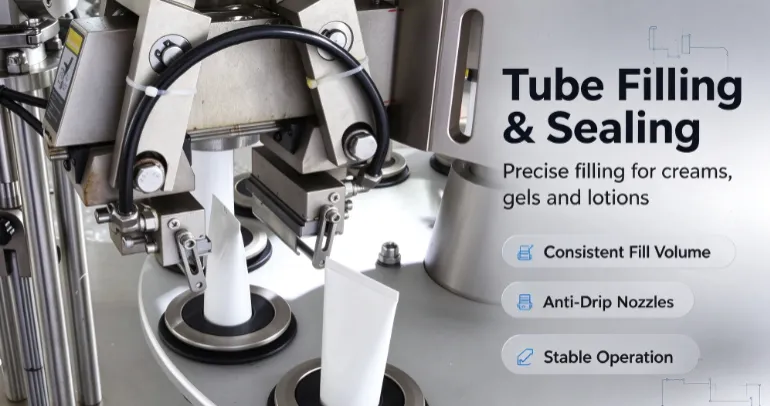
A cosmetic filling machine is special packaging equipment. It fills cosmetic and personal care materials into bottles, jars, tubes and other packaging containers.
Based on product formulas and packaging requirements, cosmetic filling machines can handle the following materials:
Face creams, moisturizing creams
Body lotions
Liquid foundations, makeup products
Facial serums, essential oils
Shampoos, conditioners
Shower gels, body washes
Sunscreens, skincare gels
Liquid soaps, cleansing products
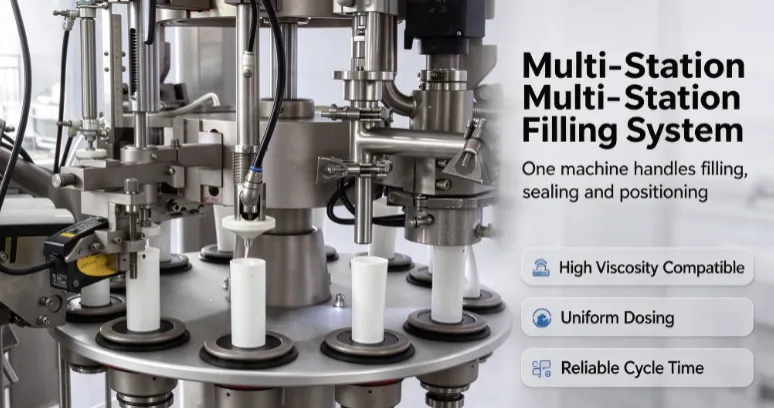
Cosmetic filling machines are available in semi-automatic and fully automatic models. They use piston filling, peristaltic pump filling, gear pump filling and other dosing methods to deliver accurate fill volumes.
For cosmetic factories, suitable filling equipment keeps the fill weight consistent for every batch, reduces dripping and leaking, and maintains a clean filling area.
2. Types of Cosmetic Filling Machines
Different cosmetics require different filling methods. Material viscosity, filling volume, container type and hourly output are key factors for equipment selection.
2.1 Cream Filling Machine
Cream filling machines are built for high-viscosity materials, such as face creams, body butters, moisturizing creams, hand creams and mask pastes.
These materials flow much slower than regular liquids. The machine needs a proper filling structure to ensure smooth product flow and accurate filling volume.
Piston filling machines are the most common choice for cream filling. They handle thick materials and deliver stable fill volumes.
Main products for filling:
Face cream
Hand cream
Body butter
Sunscreen cream
Moisturizing cream
Some products are extremely thick. A hopper with heating or mixing function can be added based on the formula and required temperature.
2.2 Lotion Filling Machine
Lotion filling machines work for medium-viscosity cosmetics, including body lotion, facial moisturizer, liquid hand cream and skincare emulsions.
When filling lotions, the flow must be stable to avoid splashing, dripping and uneven fill volume between bottles. Factories can select piston fillers, pump fillers and other liquid filling machines according to material features. These machines support plastic bottles, glass bottles and many other containers.
2.3 Liquid Cosmetic Filling Machine
Liquid cosmetic filling machines are designed for thin, free-flowing cosmetics.
Main products for filling:
Toners
Micellar water
Makeup remover
Liquid foundation
Essential oils
Liquid skincare products
You can choose gravity filling, peristaltic filling or pump filling based on formulas and filling requirements. If your product requires high filling accuracy and limited contact between material and machine parts, select equipment according to liquid properties and cleaning requirements.
2.4 Gel Filling Machine
Gel filling machines fill aloe vera gel, cleansing gel, hair styling gel, moisturizing gel and other gel-type products.
Some gels have high viscosity and may contain tiny air bubbles or solid particles. The filling structure must deliver a smooth flow and trap as little air inside the product as possible. Piston filling systems generally work well for medium and high-viscosity gels.
2.5 Automatic Cosmetic Filling Machine
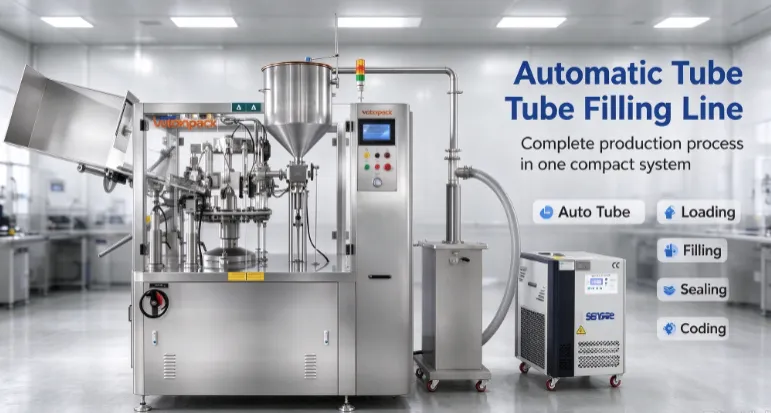
Automatic cosmetic filling machines are built for factories with high output demands. They combine multiple production steps into one production line:
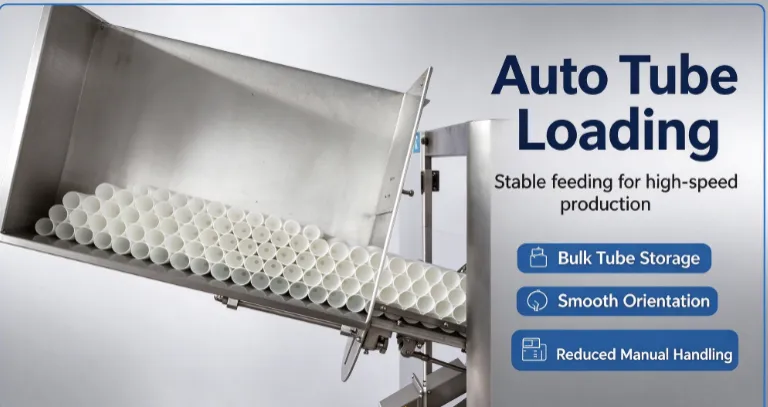
Automatic bottle feeding
Bottle positioning
Automatic filling
Capping
Labeling
Finished product collection
Compared with manual and semi-automatic filling equipment, automatic filling lines need fewer workers and deliver more consistent filling results for every batch. They fit cosmetic factories that produce skincare, personal care and beauty products in large volumes.
3. Working Process of Cosmetic Filling Machines
Different filling models use different dosing systems, but the basic filling steps are similar.
Step 1: Material PreparationCosmetic raw materials are stored in a tank or mixing tank. Depending on the formula, the material may need mixing, heating, cooling or homogenization before filling.
Step 2: Bottle LoadingEmpty bottles and jars are placed on the conveyor, or workers put containers at the filling station.
Step 3: Set Filling VolumeOperators set the required fill volume based on product specifications. The machine dispenses material to match the set value.
Step 4: Semi-Automatic or Automatic FillingFilling nozzles dispense cosmetics into containers. Anti-drip nozzles and well-designed filling structures reduce splashing and material waste.
Step 5: Capping and Further PackagingAfter filling, containers move to capping, sealing, labeling and other packaging stations. The full process depends on machine configuration and the factory’s packaging requirements.
4. Key Features of a Reliable Cosmetic Filling Machine
When buying a filling machine, do not only look at filling speed. Machine material, filling accuracy, ease of cleaning and compatibility with different cosmetic formulas are equally important.
High Filling Accuracy
Accurate filling ensures the same product quantity inside every bottle and jar. A proper dosing system prevents overfilling and underfilling, and cuts material waste.
Handles Materials with Different Viscosity
Cosmetics vary widely in viscosity. From thin toner to thick moisturizing cream, select a machine with a viscosity range that matches your products.
Product Contact Parts Are Clean and Easy to Clean
Cosmetic production has strict cleanliness standards. All parts that touch raw materials should be made of suitable materials such as stainless steel, compatible with your formula and cleaning process. If you have high hygiene requirements, prioritize machines with parts that can be taken apart and cleaned easily.
Simple Operation and Adjustment
The control panel should be easy to use. Operators can directly change parameters such as filling volume and production speed. These machines suit factories that make many cosmetic products and often switch container sizes.
Compatible with Many Container Types
Cosmetic filling machines often work with different packaging options:
Plastic bottles
Glass bottles
Wide-mouth cosmetic jars
Pump bottles
Wide-neck containers
Machine configuration must match container size, opening diameter and filling volume.
5. How to Choose the Right Cosmetic Filling Machine
Your choice depends on product features, output requirements and packaging style. Here are five key points:
1. Confirm the products you will fill
Clarify your filling materials first:
Thick creams: choose piston filling machines
Medium-viscosity lotions: choose piston filling or pump filling systems
Thin liquids: choose peristaltic filling, gravity filling or pump filling
Gel products: select a filling system matching the viscosity and flow features of your gel
If possible, test filling with your own raw materials on the machine.
2. Confirm filling volume
Different cosmetics require different fill volumes. Serums usually use small bottles, while body lotion and shampoo often use large containers. Before purchase, confirm your minimum and maximum filling volume.
3. Check production output
Output is another important factor. Small cosmetic factories may only need semi-automatic filling machines, while large factories need automatic filling lines. Estimate your daily output, available workers and future expansion plans.
4. Check container specifications
Bottle height, diameter, opening size and container material affect machine compatibility. If you fill many kinds of packaging, pick machines that are easy to adjust and support interchangeable change parts.
5. Check cleaning and maintenance difficulty
Cosmetic factories often switch between different products. Machines with easily removable product-contact parts reduce changeover time between products. Before ordering, confirm stable spare part supply, technical support, and installation & commissioning services.
6. Application Scenarios of Cosmetic Filling Machines
Cosmetic filling machines are widely used in skincare, makeup, hair care and personal care production lines.
表格
| Category | Filled Products |
|---|---|
| Skincare | Face cream, serum, toner, moisturizer |
| Hair Care | Shampoo, conditioner, hair gel |
| Body Care | Body lotion, hand cream, shower gel |
| Makeup | Liquid foundation, makeup remover, primer |
| Sun Care | Sunscreen lotion, sunscreen cream |
| Personal Care | Liquid soap, cleansing products |
A suitable filling machine helps factories speed up packaging for many product types.
7. Semi-Automatic vs Automatic Cosmetic Filling Machines
Many cosmetic factories struggle to choose between semi-automatic and automatic filling machines. The two options fit different production situations, based on your needs:
表格
| Item | Semi-Automatic Filling Machine | Automatic Filling Machine |
|---|---|---|
| Operation | Requires worker support | Runs automatically |
| Output | Fits small and medium batch production | Fits medium and large batch production |
| Labor | Needs more workers | Needs fewer workers |
| Initial Cost | Lower investment | Higher initial investment |
| Product Changeover | Good for frequent product changes and small orders | Good for long continuous production runs |
| Line Integration | Usually works as a standalone unit | Can connect to a full production line |
Semi-automatic filling machines work well for new brands, small cosmetic factories and customers with low order volume. Automatic models are better for factories targeting high output, continuous production and less worker contact with products.
8. Benefits of Buying a Professional Cosmetic Filling Machine
A filling machine matched to your products brings these advantages to cosmetic factories:
Higher Production SpeedAutomatic filling reduces repetitive manual work and increases output.
Consistent Filling QualityThe dosing system keeps fill volume consistent across different batches.
Less Material WasteAccurate dosing plus anti-drip nozzles reduce loss from dripping, overflow and overfilling.
Consistent Packaging AppearanceStable filling results give finished products a neat look.
Easy to Expand Output LaterThe machine meets your current production needs and supports higher output in the future.
9. Frequently Asked Questions About Cosmetic Filling Machines
Q1: What products can a cosmetic filling machine fill?
It can fill face cream, body lotion, serum, shampoo, conditioner, shower gel, gel, liquid foundation and other personal care and beauty products. Compatibility depends on material viscosity and formula.
Q2: Which filling machine works best for cream filling?
Piston filling machines are the most common option for creams. They handle thick materials and deliver stable fill volume. The final choice still depends on cream viscosity, texture and filling volume.
Q3: Can one filling machine fill both liquids and creams?
Some models can handle materials of different viscosity after changing parts, but no single machine works for all formulas. Before purchase, confirm the supported viscosity range, dosing method and cleaning requirements.
Q4: Is an automatic filling machine suitable for small factories?
It depends on output and budget. Small factories with low output are better off with semi-automatic machines. Growing brands with rising orders can consider automatic models.
Q5: What materials are cosmetic filling machines made of?
Machine frames and product-contact parts are mostly stainless steel. The exact stainless steel grade and sealing materials are selected based on cosmetic formulas and cleaning processes.
Q6: How to find a reliable filling machine supplier?
Look for suppliers with relevant industry experience, customisation capability, accessible support and product test filling service. Also check machine specifications, spare part supply, installation and commissioning services.
10. Select the Right Filling Machine for Your Production Line
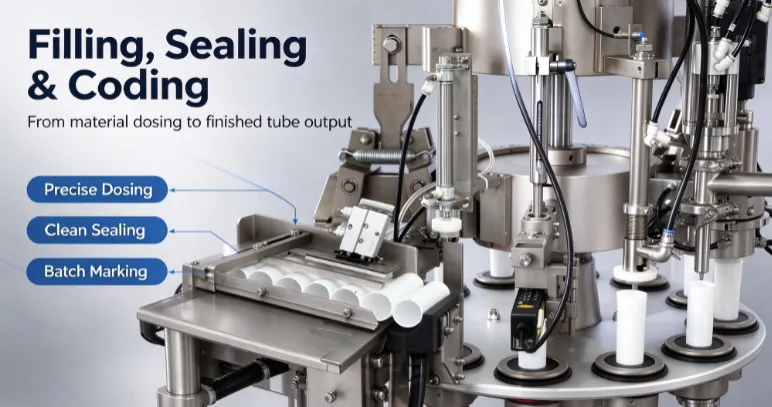
Choosing the right filling machine is an important step to raise production speed and keep consistent packaging quality.
Whether you need a cream filling machine, lotion filling machine, liquid filling machine or a full automatic filling line, the equipment must match your material viscosity, filling volume, container specifications and output.
[Company Name] provides packaging equipment for different filling applications. Our engineers recommend suitable machines based on your product features and production requirements.
Contact us and share your cosmetic filling requirements. Send us product details, filling volume and container photos, and we will recommend suitable equipment for you.
label:
Próximo
Próximo