English
 Español
 لالعربية

Pickle Filling Machines
release time:
2026-10-28
Pickle Jar Filling Machines: A Guide to Efficient Canning SolutionsPickles are a
Pickle Jar Filling Machines: A Guide to Efficient Canning Solutions
Pickles are a popular product in the global food market, and their packaging directly impacts product quality, shelf appeal, and production speed. Choosing the right filling machine allows pickle processing plants to streamline packaging workflows, reduce labor requirements, and ensure consistent standards across every unit.
Whether you produce pickled cucumbers, mixed pickles, olives, or other pickled vegetables, the right packaging equipment will help you keep pace with growing order volumes.
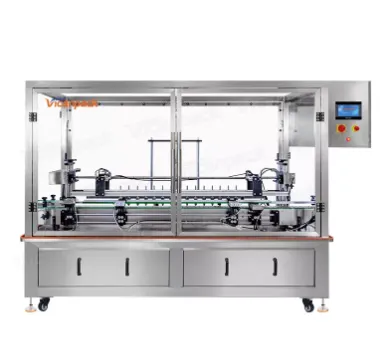
Pickle jar filling machines are designed to fill glass jars or other containers with pickled products. Depending on the specific product and production requirements, the complete process may include solid-product filling, brine dispensing, capping, labeling, and container conveying.
This guide covers how pickle jar filling machines work, common equipment types, key features to consider, and how food processing plants can select the equipment best suited to their needs.
Types of Pickle Jar Filling Machines
Different pickle products require specific filling and packaging methods. To choose the right machine, you must first understand the characteristics of your product.
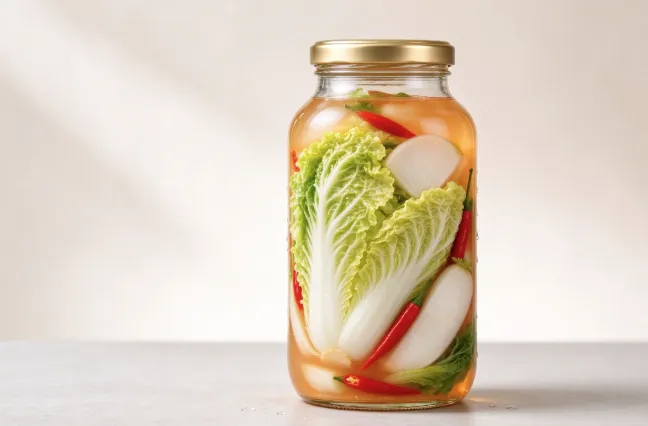
1. Fully Automatic Pickle Jar Filling Machines
Ideal for pickle processing plants with stable production volumes that aim to minimize manual labor.
Depending on the configuration, these systems can automate the entire process—from container feeding, solid-product filling, and brine dispensing to subsequent packaging steps—and can be integrated with automatic capping and labeling machines.
Key Benefits:
- Increased production speed
- Consistent fill weights per jar
- Reduced manual labor
- Seamless integration across packaging stages
- Suitable for medium- to large-scale production lines
This type of automated equipment is well-suited for facilities supplying supermarkets, food distributors, private-label brands, and other commercial clients.
2. Semi-Automatic Pickle Jar Filling Machines
Designed for smaller facilities, startups, and processing plants that frequently switch between different product types.
In this setup, operators manually place the jars or load the pickles into the containers, while the machine automates specific parts of the filling process. Key advantages: Lower equipment procurement costs, greater flexibility for product changes, and simple operation. This option is well-suited for factories that frequently adjust pickle recipes, jar specifications, or product varieties.
Disadvantages: Compared to fully automated systems, it requires more manual labor, and production speed is relatively limited.
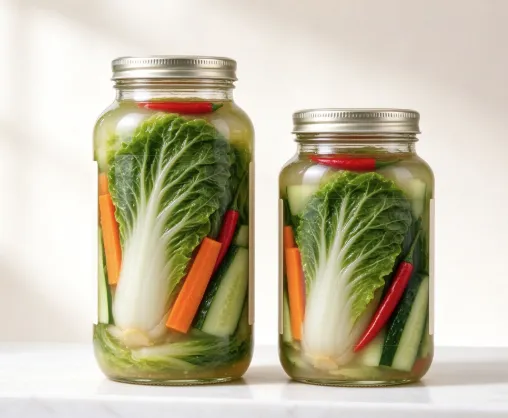
3. Filling Machine for Solid Pickled Products
Products such as pickled cucumbers, olives, or mixed pickles consist of solid, irregularly shaped items that are difficult for standard liquid-filling machines to handle.
Filling machines for solid products are specifically designed to portion these types of pickles into jars. Depending on the specific product, they can be equipped with volumetric metering systems, specialized distribution mechanisms, or automated feeding systems.
When selecting equipment, factories should consider factors such as the size and texture (firmness/softness) of the vegetables, the required fill weight per jar, and the acceptable threshold for product damage.
For items like whole pickled cucumbers or delicate vegetables prone to crushing, the feeding and distribution mechanisms must be designed to minimize compression, ensuring the pickles remain intact and visually appealing.
4. Brine/Pickling Liquid Filling Machine
Once the solid pickles have been placed into the jars, they typically require the addition of brine, vinegar, or other pickling liquids.
Brine-filling machines dispense a precise volume of liquid into each jar. Depending on the production workflow, the solids can be added before the liquid, or the liquid can be added before the solids.
Key selection criteria include the liquid’s temperature, viscosity, acidity, tendency to foam, and the required fill volume per jar.
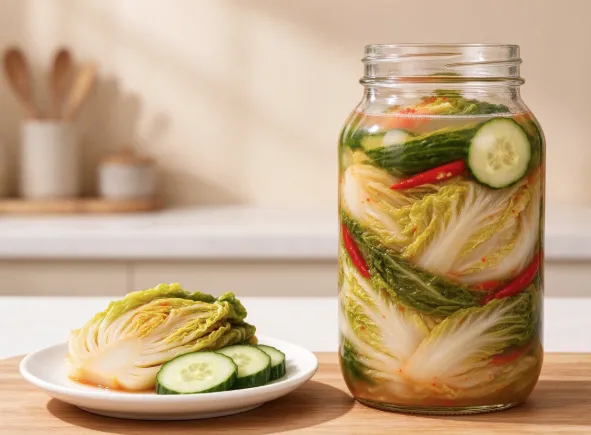
What is a Pickled-Product Jar-Filling Machine?
A pickled-product jar-filling machine is specialized equipment designed to place pickles into jars, complete the filling process, and facilitate subsequent packaging stages. These machines are commonly used in food processing plants, pickle production facilities, commercial kitchens, and enterprises specializing in pickled goods.
Unlike standard liquid-filling machines, this equipment must handle both solid pickles and brine. It must be adaptable to the varying sizes, shapes, and textures of the pickles to ensure consistent filling results every time. A complete production line for canned pickled vegetables can include the following units:
- Automatic jar feeding and positioning
- Filling of solid pickled vegetables
- Filling of brine or vinegar-based liquid
- Jar sealing (capping)
- Labeling and production date printing
- Conveyor systems
- Inspection equipment and secondary packaging equipment
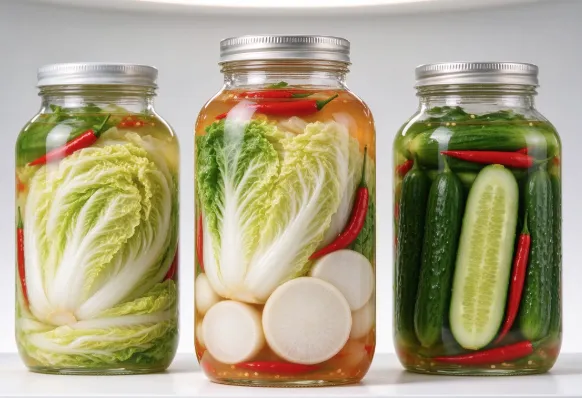
The specific configuration depends on the type of pickled vegetables, jar dimensions, hourly production capacity, and the desired level of automation.
label: