English
 Español
 لالعربية

Toothpaste Filling Machines
release time:
2026-10-27
Toothpaste Filling Machines: An Industrial Guide to Efficient and Precise Packag
Toothpaste Filling Machines: An Industrial Guide to Efficient and Precise Packaging
In the oral care industry, packaging is more than just the tube that holds the product; it serves to protect product quality and meet market demand. A toothpaste filling machine is a critical piece of equipment on the production line, directly influencing hourly output, the precision of the fill volume for each tube, and the consistency of the final packaged products.
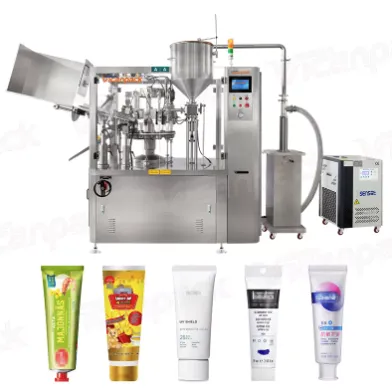
Whether you operate a small, emerging toothpaste manufacturing facility or a large-scale oral care production plant, selecting the right toothpaste filling machine can streamline your production processes, minimize raw material waste, and boost overall operational efficiency.
This article is divided into four sections, covering what this equipment is, how it operates, the benefits it offers, and how to choose the right machine for your specific production line.
I. Defining the Equipment: More Than Just Filling—A Complete Packaging Solution
A toothpaste filling machine is not merely a standalone unit for injecting toothpaste into tubes. It is an automated system capable of performing tube loading, tube orientation, precise filling, end sealing, coding, and finished product discharge. Designed with the specific characteristics of toothpaste formulations in mind, these machines can handle various viscosities and accommodate a wide range of tube sizes.
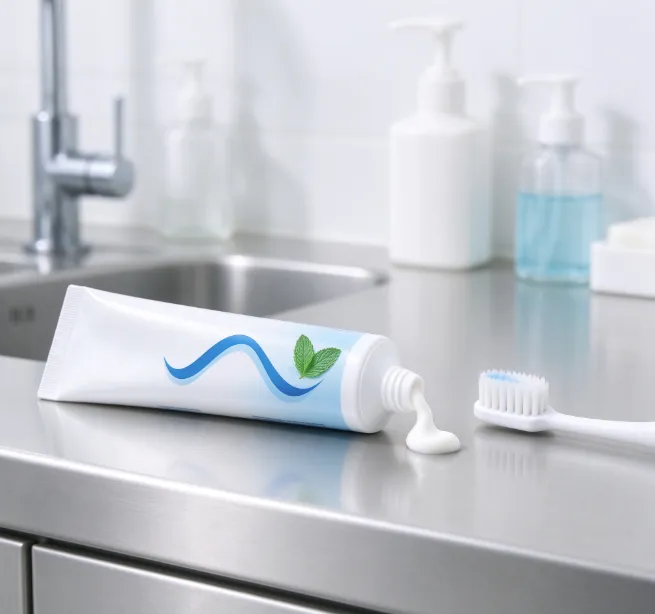
They are compatible with the diverse types of toothpaste found on the market, including:
Functional toothpastes: Fluoride-based, whitening, anti-sensitivity, and gum-care varieties.
Toothpastes for specific demographics: Products designed for children or the elderly.
Natural-formula toothpastes: Herbal and organic formulations.
For operations requiring high-volume, consistent production, a fully automated toothpaste filling machine integrates multiple process steps, ensuring both high output and uniform packaging quality.
II. Operational Logic: Five Sequential Production Steps
While the structural design may vary between different machine models, the standard process for filling and sealing toothpaste tubes remains consistent:
1. Automatic Tube Loading and Orientation
Empty tubes are fed into the machine via an automated loading mechanism (though manual loading is also an option). Once the tube enters the machine, it is positioned correctly to prepare for the next stage of the process.
2. Tube Positioning via Sensors
The machine uses color sensors or mechanical positioning mechanisms to align with specific marks on the tube. This ensures the tube is perfectly oriented with the filling nozzle and the sealing die, preventing product spillage during filling or misalignment of the seal.
3. Servo-Controlled Precision Filling
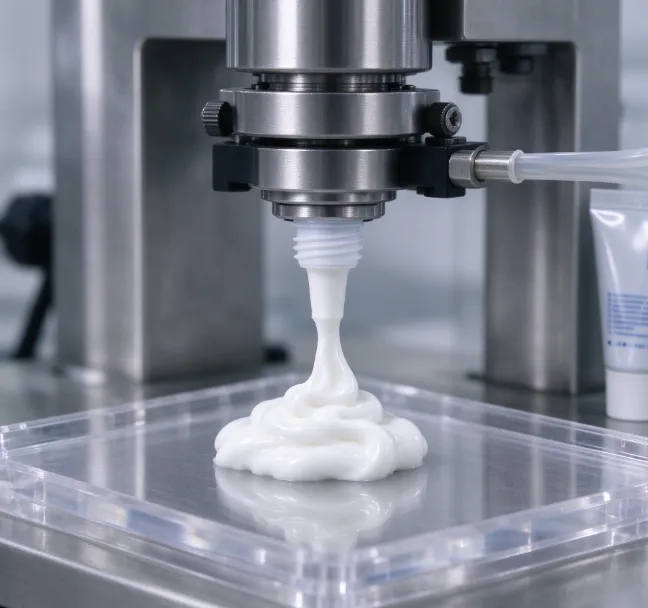
The filling mechanism dispenses the toothpaste into the tube according to a pre-set volume. For thicker toothpaste or formulations containing fine particles, the machine typically employs a piston-based or screw-based metering system, ensuring minimal variation in the fill volume across every single tube.
4. Tube-Specific Sealing
The machine applies a sealing method tailored to the tube material. Aluminum tubes are sealed by folding, while plastic or laminate tubes are sealed using heat or ultrasonic technology—ensuring a secure, durable, and aesthetically neat seal.
5. Coding and Finished Product Discharge
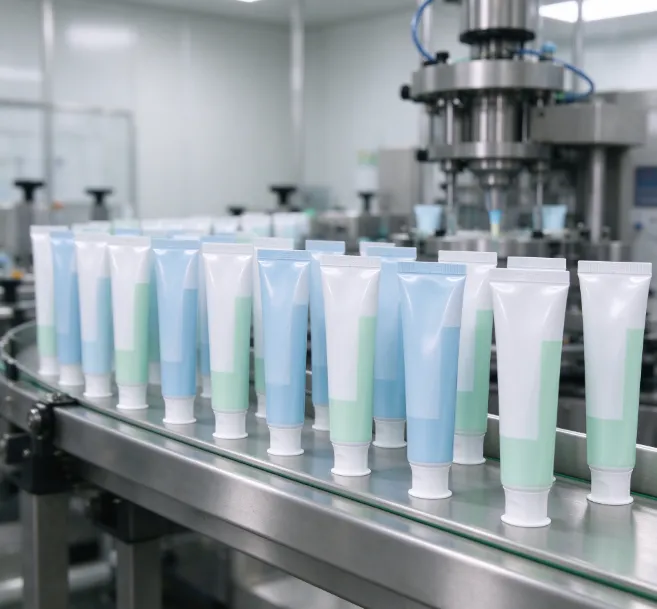
The machine can print production dates and batch numbers directly onto the tube surface, facilitating product traceability. Once processed, the toothpaste tubes are automatically discharged and counted, ready for downstream cartoning or boxing equipment.
This continuous, automated workflow minimizes manual intervention and ensures consistent packaging quality across an entire production batch.
III. Core Value: 6 Key Advantages of Fully Automatic Toothpaste Filling Machines

1. Increased Production Speed
Multiple processes run simultaneously, reducing the time required to produce each individual tube and enabling the handling of large-volume orders within short timeframes.
2. Reduced Material Waste
The servo-metering system keeps filling variance to an absolute minimum—preventing both the waste of toothpaste caused by overfilling and the risk of non-compliance due to underfilling.
3. Stable and Reliable Sealing
The sealing system maintains precise control over temperature and pressure. This ensures that the seals remain intact—preventing splitting or leakage—even during long-distance transport or under varying storage conditions.
4. Support for Multi-Specification Production
The machine features a modular design, allowing for product switching through simple mold changes or parameter adjustments. A single unit can accommodate tubes of various diameters and capacities, enabling the simultaneous production of multiple types of toothpaste.
5. Reduced Manual Labor
Repetitive tasks such as filling and tube sealing are automated. Operators are freed from constant, repetitive manual labor, focusing instead on material preparation, quality inspection, and production line management—thereby lowering long-term labor costs.
6. Streamlined Production Data Management
Equipped with a touchscreen control panel, the machine provides real-time visibility into production output, equipment alerts, and operating parameters. Production data can be recorded and stored, facilitating effective tracking of manufacturing operations.
IV. Selection Strategy: Choosing Equipment Based on Your Production Needs
When selecting a toothpaste filling machine, do not focus solely on price or maximum speed. Instead, evaluate your options based on the following five criteria:
1. Compatibility with Paste Characteristics
The consistency and flow properties of your toothpaste—as well as the presence of any solid particles—will dictate the type of filling pump required. High-viscosity pastes typically require a piston pump, while pastes containing particles are better suited for a rotary lobe pump.
2. Compatibility with Packaging Tubes
Confirm the tube material (aluminum or plastic), maximum diameter, length, and sealing requirements. Ensure that the machine’s molds and sealing mechanisms are fully compatible with your specific tubes.
3. Required Production Capacity and Automation Level
Select a machine speed (e.g., 60 or 120 tubes per minute) that aligns with your planned daily output. If your budget allows, consider adding modules for automatic tube feeding or visual inspection to further minimize the need for manual labor.
4. Compliance with Hygiene and Production Standards
As toothpaste is a product that comes into contact with the oral cavity, all components that touch the product must be made of 304 or 316L stainless steel. These contact parts should be easily removable for cleaning, and the equipment must meet relevant GMP or FDA standards.
5. After-Sales Support and Upgrade Potential
Verify the manufacturer’s ability to provide prompt technical support and a reliable supply of spare parts. Additionally, check whether the machine includes provisions for future upgrades, allowing for the expansion of your production line down the road. Conclusion
A toothpaste filling machine is a production tool that directly influences the quality of your products. When selecting equipment, prioritize models that align with your specific products, packaging requirements, and long-term production plans, rather than simply opting for the most expensive machine. The right automated equipment will provide a stable foundation for the growth of your manufacturing operations.
label: