English
 Español
 لالعربية

Powder Filling and Capping Machine | Automatic Capping
release time:
2026-11-12
Powder Filling and Capping Machine: The Complete Guide to Automatic Powder Packa
Powder Filling and Capping Machine: The Complete Guide to Automatic Powder Packaging
For factories in food, pharmaceutical, cosmetic and dietary supplement sectors, consistent powder filling and secure cap sealing directly affect finished product quality and line throughput.
A powder filling and capping machine combines automatic powder dosing filling and cap tightening in one packaging system. It helps factories run stable powder filling and reliable container sealing.
Whether you pack milk powder, protein powder, coffee powder, dietary supplements or other powder products, choosing the right automatic machine can simplify your packaging process.
This guide covers how powder filling and capping machines work, standard configurations, compatible products, machine benefits, and key points you need to confirm before buying equipment.
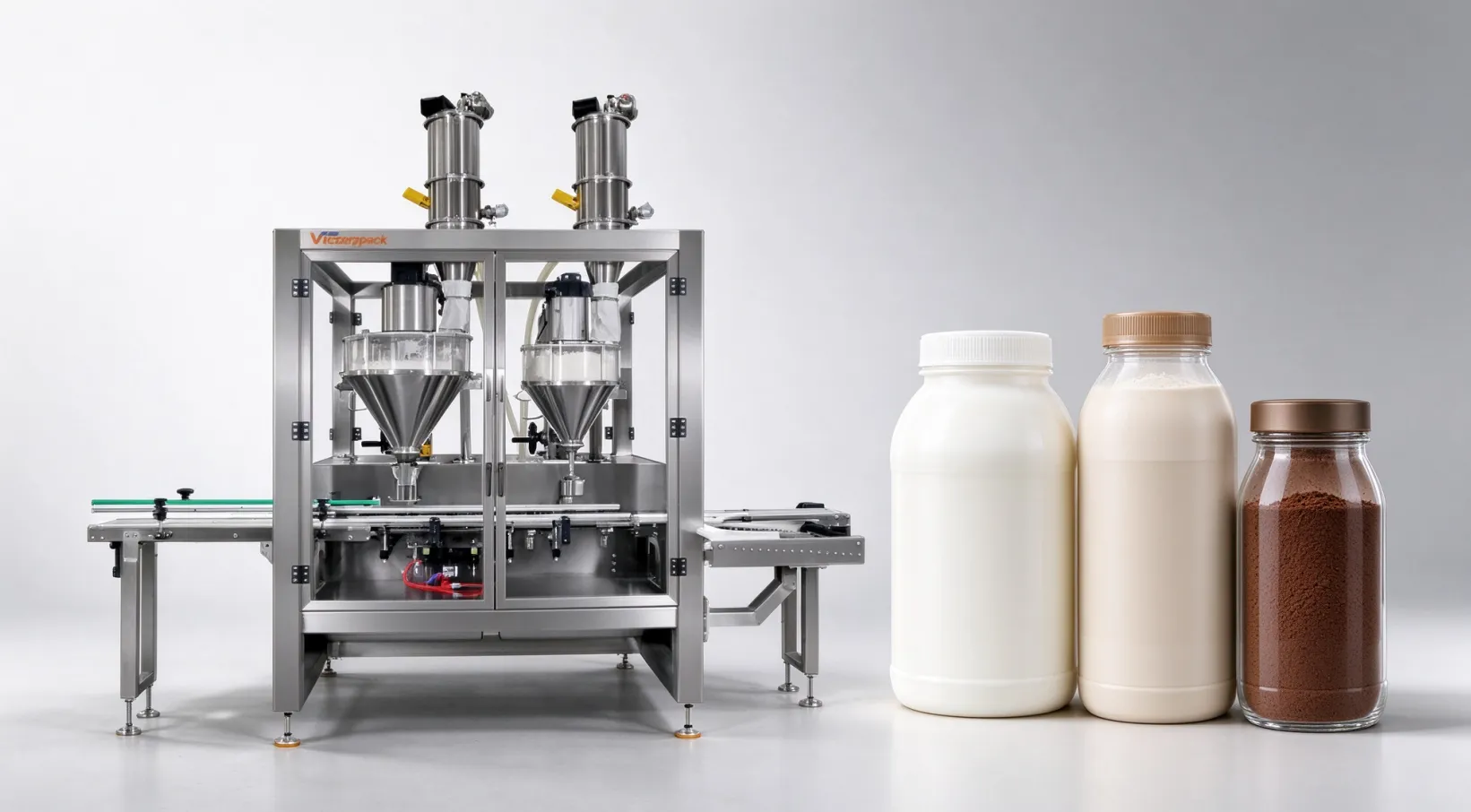
1. What is a Powder Filling and Capping Machine?
This is an automated packaging machine. It fills powder material into bottles, jars or other containers at a set weight, then automatically tightens the caps.
Most models use an auger dosing system. The rotating auger controls how much powder feeds out. After filling, containers move along the conveyor to the capping station. The capping unit locates the cap and screws it to the required torque.
You can run this machine as a standalone unit, or connect it into a full automatic powder packaging line.
A complete powder filling and capping production line usually includes these units:
Automatic bottle unscrambler / bottle feeding system
Auger powder filler
Dust collection unit
Automatic cap feeder + capping machine
Aluminum foil induction sealer (optional)
Checkweigher / metal detector (optional)
Automatic labeling machine (optional)
Finished product collecting table
These machines run in sequence to reduce manual work.
2. Working Steps of Powder Filling and Capping Machine
The machine runs in a fixed sequence:
Step 1: Automatic Bottle Feeding
Empty bottles or jars are sorted and arranged by the unscrambler, then sent to the filling station via the conveyor belt.
Step 2: Auger Dosing Filling
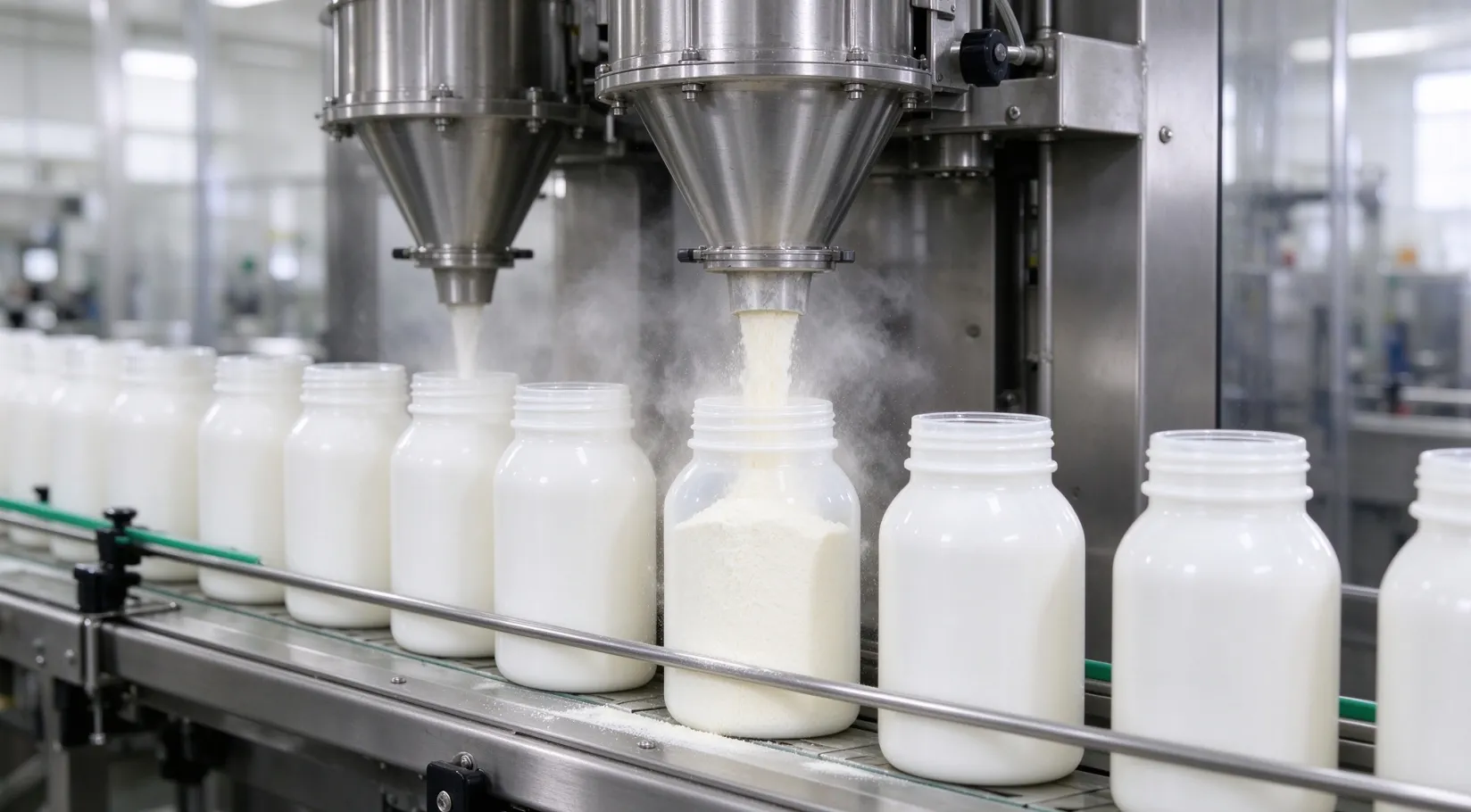
The auger at the filling station rotates and feeds the set weight of powder into the container. You can adjust the fill weight to match your packaging requirements. Servo motors drive the auger for steady feeding and smaller weight difference between bottles.
Step 3: Dust Collection
Fine powder and light powder tend to float during filling. You can install a dust collector at the filling position to capture loose powder. It keeps the workshop clean and cuts raw material waste.
Step 4: Automatic Capping
Filled bottles move to the capping station. The cap feeder delivers caps to position. The capping chuck grabs the cap and tightens it to the preset torque. We can change matching capping parts based on your bottle shape and cap size.
Step 5: Foil Sealing & Labeling (Optional)
If you need extra sealing protection, add an aluminum foil induction sealer after the capping station. Bottles can then go to the labeling machine for sticker application, before moving to the collection area.
3. Main Configurations and Functions of Powder Filling and Capping Machine
Check these key features when you select equipment:
Auger Filling SystemAuger dosing is widely used for powder packaging. It delivers consistent powder output. It works for fine powder, powder with small granules, and some low-flow or easily compacted powder.
Servo Motor ControlServo motors drive the auger. You can precisely adjust auger speed and rotation cycles. It is easy to switch between different fill weights and keeps good weight consistency batch by batch.
Stainless Steel FrameAll parts touching powder use SUS304 stainless steel as standard. Upgrade to SUS316 for higher hygiene requirements. The structure is designed for fast disassembly, cleaning and routine maintenance.
Automatic Capping UnitAutomatic cap feeding and automatic tightening reduce manual labor. It adapts to caps with different diameters and bottles with different heights.
Dust Collection UnitIt catches powder that escapes during filling. This function is very useful for fine powder such as milk powder, protein powder and meal replacement powder.
PLC + Touch Screen ControlOperators change filling parameters and check machine status on the touch screen. Multiple product recipes can be saved and recalled for fast product changeover.
4. Products Packed by Powder Filling and Capping Machine
Powder materials have different flow properties. We can change auger designs and adjust feeding systems for these industries:
Milk powder: Requires stable fill weight and reliable sealing, commonly used for plastic bottles and metal cans
Protein powder: Supports bottles and cans. Choose the dual-head filling version for higher output
Coffee powder: Matches coffee powder characteristics. Can work with sealers and labelers for a full line
Dietary supplement powder: Collagen powder, probiotic powder, meal replacement powder, vitamin powder. These products require good weight accuracy and clean production conditions
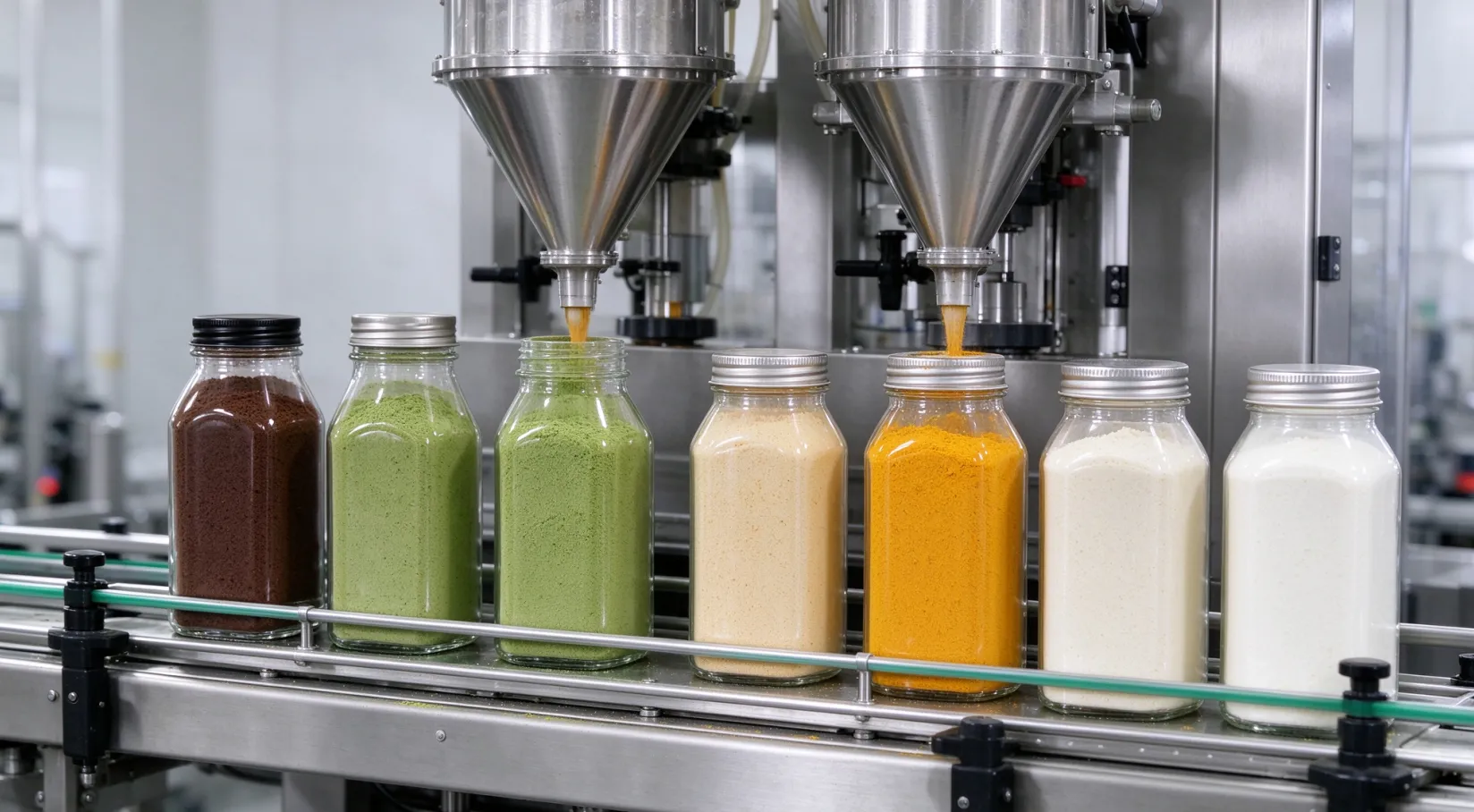
Food seasoning powder: Cocoa powder, chili powder, blended seasoning powder, flour and more
Pharmaceutical powder & cosmetic powder: Built to meet strict hygiene standards. We need to confirm local production regulations before customizing
5. Single-head vs Dual-head Powder Filler: How to Choose
The main differences are filling heads, output and cost. See the comparison below:
表格
| Item | Single-head Powder Filler | Dual-head Powder Filler |
|---|---|---|
| Number of filling heads | 1 | 2 |
| Production speed | For medium and low output | For higher output |
| Machine structure | Simple, smaller footprint | More complex structure |
| Purchase cost | Lower price | Higher price |
| Best for | Frequent product changes, small and flexible orders | Stable mass production |
Single-head machines offer better flexibility for factories that switch product specifications often. Dual-head machines deliver higher output per hour when the powder and bottle type are suitable. The actual running speed needs to be tested with your real powder samples.
6. Information You Need to Confirm Before Buying
Do not compare only price and listed speed. These points decide whether the machine fits your production:
Powder material propertyPowder flow rate, bulk density and particle size all affect filling performance. Milk powder creates lots of dust; protein powder may bridge and feed unevenly; fine flour spreads easily; granular seasoning powder needs adjusted auger settings. Always send real powder samples to the supplier for testing.
Filling weight rangeMachines for 50g meal powder and 1kg protein powder need different auger sizes. Confirm your minimum and maximum fill weight before order.
Bottle and cap dimensionsBottle diameter, bottle height, neck diameter and cap style affect bottle sorting, filling and capping fixtures. It is best to provide physical bottle samples, cap samples and dimension drawings.
Target production capacityCalculate how many bottles you need per day and your daily running hours. Then decide between single-head, dual-head or a full automatic line.
Cleaning and changeover difficultyIf you run multiple powder products on one machine, check whether hopper, auger and filling nozzle can be removed quickly for cleaning. Check how much time you need for product switching.
Full line expansion planFor fully automatic workflow, you can combine: bottle unscrambler, filler, capper, foil sealer, checkweigher, metal detector and labeling machine. Linked lines reduce manual contact and keep consistent product quality.
7. General Reference Specifications
Note: These are standard reference values. Final specs are adjusted according to your products and custom requests |Item|Reference Spec| | ---- | ---- | |Filling method|Auger dosing filling| |Drive control|Servo motor controlled auger| |Filling head|Single-head / Dual-head optional| |Fill weight range|5g–3kg, customizable| |Hopper capacity|50L, expandable| |Compatible bottle diameter|Φ30–120mm| |Compatible bottle height|50–250mm| |Filling speed|Single-head reference: 10–15 bottles per minute| |Material in contact with product|SUS304 / SUS316 optional| |Control system|PLC + touch screen| |Capping function|Automatic cap feeding, torque-controlled capping| |Optional extra features|Dust collection, aluminum foil induction sealing, inline labeling|
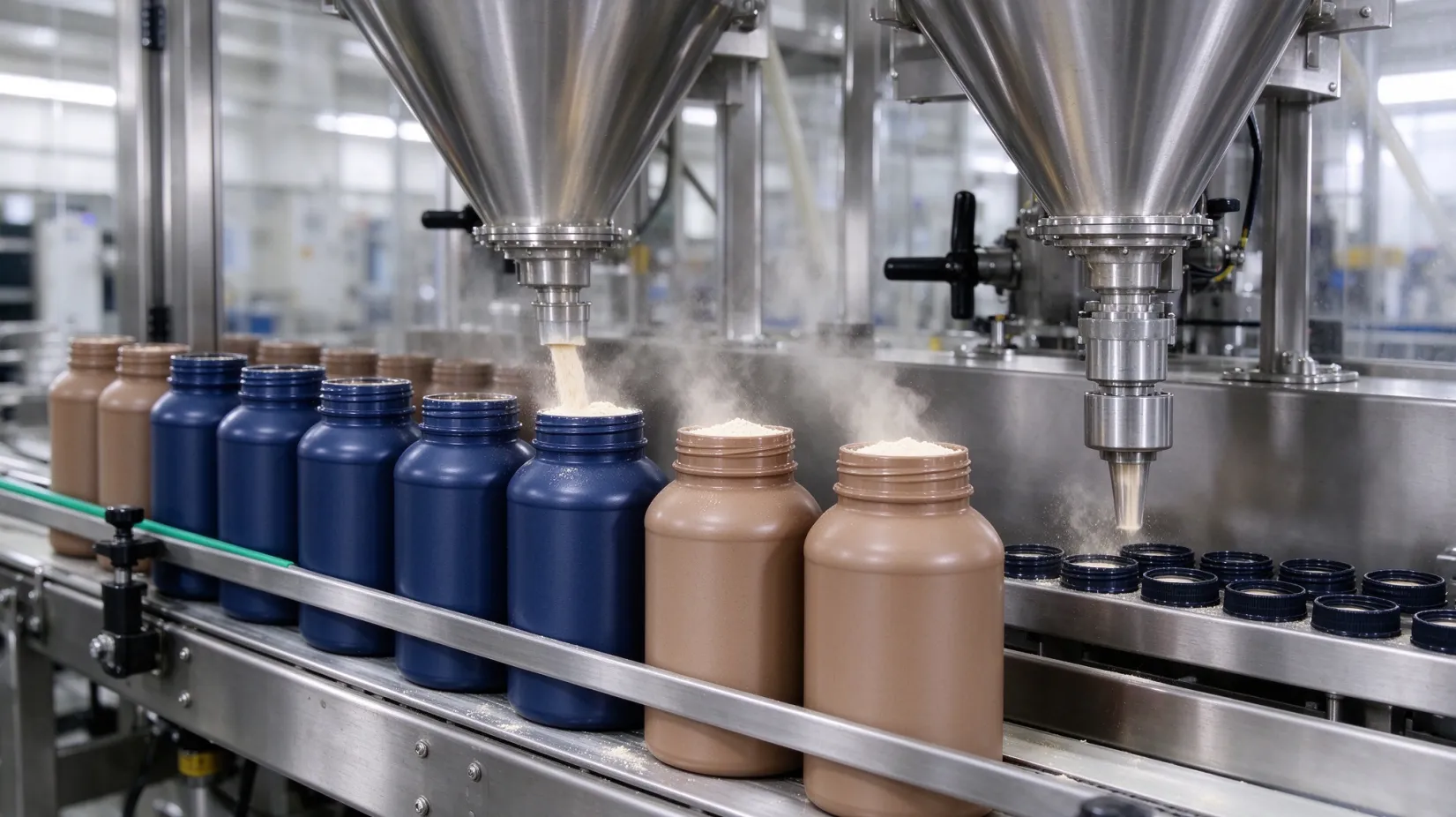
8. Benefits of Automatic Powder Filling and Capping Machine
Stable fill weightAuger dosing limits weight variation between bottles and cuts defective products.
Less manual laborAutomatic bottle feeding, filling, cap feeding and capping remove repeated manual powder filling and cap tightening work.
Higher production speedFilling and capping are integrated. Bottles do not need transfer between separate standalone machines.
Consistent sealing qualityFixed capping torque reduces loose caps and powder leakage.
Flexible for multiple productsChange parameters or replace a small number of parts to run different powder, bottle types and fill weights.
9. Custom Packaging Solutions
Every factory has different packaging needs. Some customers only need a compact standalone machine for their workshop. Others need a long full line to connect with existing factory conveyor systems.
We design custom solutions based on:
Powder type and flow behavior
Fill weight and accuracy requirement
Bottle or jar dimensions
Cap type and sealing requirement
Target output per hour / per day
Workshop space and layout limits
Send us powder samples, bottle samples, cap samples and dimension drawings. Our engineers will evaluate the most suitable configuration.
10. FAQ
Q1: What powders can this machine fill? It works for milk powder, protein powder, coffee powder, cocoa powder, flour, seasoning powder, collagen powder and various dietary powders. Stable operation depends on powder flow property.
Q2: What is the difference between auger filling and weighing filling? Auger filling controls powder output by counting auger rotation cycles. Weighing filling measures actual powder weight while feeding. Auger filling is widely used for bottled powder. Weighing filling fits products that require real-time weight tracking.
Q3: Can one machine run multiple powder types? Yes. You can adjust settings on the touch screen, and replace contact parts such as auger and nozzle when needed. Clean all powder contact parts thoroughly between products to avoid cross-contamination.
Q4: Can the machine work with different bottle sizes? Yes. Adjust conveyor guides and filling height, and swap capping fixtures to fit different bottle sizes.
Q5: Can powder filling and capping machine connect to a labeling machine? Yes. The full line can link filling, capping, foil sealing, labeling and collecting.
Q6: How do I choose single-head or dual-head? Your decision depends on target output, fill weight, powder flow and available workshop space. Dual-head machines deliver higher output when conditions match.
Conclusion
Powder filling and capping machines are common packaging equipment for food, pharmaceutical, cosmetic and dietary supplement industries. This machine integrates auger dosing filling, automatic bottle feeding and automatic capping. You can also add sealing and labeling modules to build an automatic powder packaging line.
Whether you need a single-head unit, dual-head filling and capping machine or a complete automatic powder packaging line, select equipment based on your powder material, containers and output goals. This ensures long-term stable operation.
If you have a powder packaging project, contact us and share your production requirements. We will match the right automatic powder filling and capping solution for your factory.
Other Products:
Milk Powder Filling Machine
label:
Next
Next