English
 Español
 لالعربية

Thick lotion filling machine
release time:
2026-10-30
High-Viscosity Lotion Filling Machine: A Complete Guide to Filling Thick Lotions
High-Viscosity Lotion Filling Machine: A Complete Guide to Filling Thick Lotions, Creams and Skincare Products
For cosmetic and personal care product manufacturers, filling high-viscosity lotions, body milks, hand creams and various cream products is never a simple task. Compared with low-viscosity liquids such as water and beverages, these products have thick textures and poor fluidity, which impose higher requirements on the material conveying capacity, filling system and dosing accuracy of equipment.
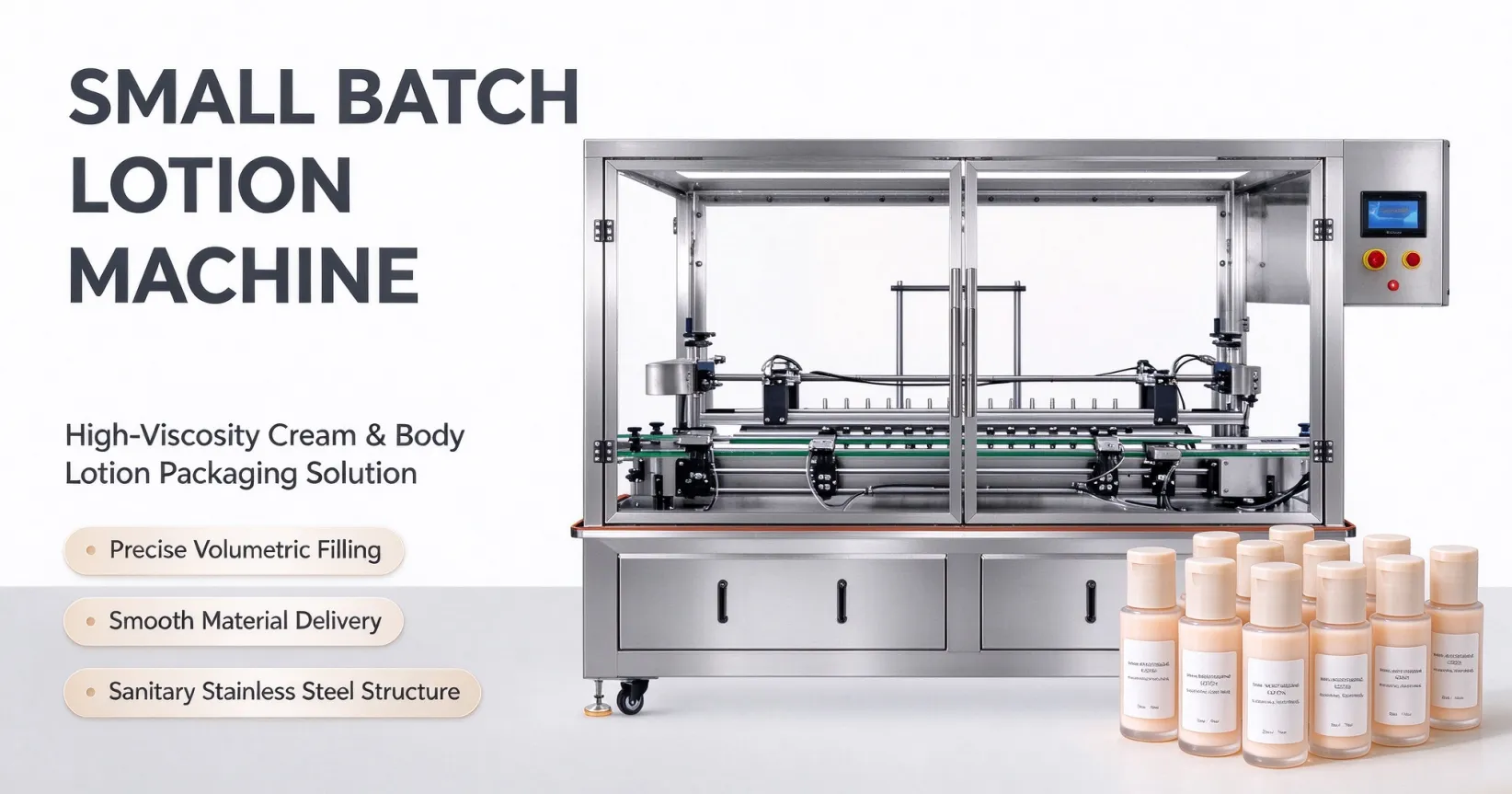
A high-viscosity lotion filling machine is a special packaging equipment designed for filling thick lotions, face creams, body butters, hand creams and other paste and semi-fluid products. By selecting an appropriate filling method and equipment configuration, common problems such as poor material conveying, uneven filling, stringing and dripping, and low production efficiency can be effectively solved.
Whether you produce skincare products, cosmetics or personal care items, choosing a lotion filling machine that matches your material characteristics will help improve filling efficiency, guarantee product packaging quality, and reduce raw material loss during the production process.
How does a high-viscosity lotion filling machine work? What are the differences between different filling systems? What key factors should be considered during procurement? This article will introduce you in detail from the aspects of equipment principles, filling technologies, application scope and selection points.
1. What is a High-Viscosity Lotion Filling Machine?
A high-viscosity lotion filling machine is a special packaging equipment used to quantitatively fill thick liquids, creams and semi-fluid materials into packaging containers such as plastic bottles, glass bottles, wide-mouth bottles and hoses.
Compared with ordinary liquid filling machines, high-viscosity lotion filling machines place more emphasis on material conveying capacity and quantitative filling performance. For products with different viscosities, fluidity and formulas, the equipment can be equipped with a piston filling system, a servo control system or a pump device suitable for the material to ensure a stable filling process.
This type of equipment is widely used in the packaging production of cosmetics, skincare products, personal care products and some pharmaceutical products.
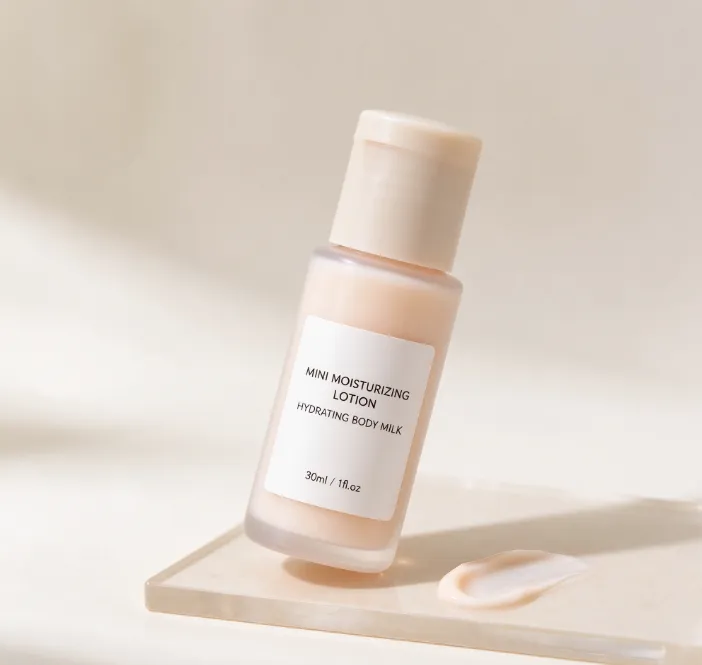
Common applicable products:
Body lotions: moisturizing lotions, emollient body milks, etc.
Hand creams: various moisturizing hand creams
Face creams: moisturizing creams, nourishing creams, daily skincare creams
Sunscreen products: sunscreen lotions, sun creams, etc.
Body balms: nourishing body balms, body butters, etc.
Hair care products: conditioners, hair masks, thick hair lotions
Cleansing products: facial cleansers, cleansing creams, etc.
Other products: skincare gels, thick essences and other semi-fluid skincare products
Manufacturers can choose a semi-automatic lotion filling machine or a fully automatic lotion filling production line according to the material viscosity, packaging specifications and production capacity.
2. Working Principle of High-Viscosity Lotion Filling Machine
The working principle of a high-viscosity lotion filling machine mainly depends on the filling method adopted by the equipment. For thick materials such as body lotions, face creams and hand creams, a suitable feeding system is usually required to stably convey the materials to the filling mechanism, and then complete quantitative filling according to the preset volume.
Taking the commonly used piston-type lotion filling machine as an example, the basic working process is as follows:
2.1 Material Conveying
The lotion enters the filling system from the storage tank or hopper. For materials with high viscosity and poor fluidity, an auxiliary feeding pump or other feeding devices can be optionally installed according to the actual situation to avoid insufficient material supply that affects filling efficiency.
2.2 Container Positioning
Empty bottles/cans are sent to the filling area via the conveyor belt, and the positioning mechanism fixes them at the designated position to ensure precise alignment between the containers and the filling nozzles. Semi-automatic models can adopt manual bottle loading for feeding.
2.3 Quantitative Filling
The filling system quantitatively delivers the lotion into the packaging containers according to the set volume. By adjusting the piston stroke, servo parameters or supporting control system, the filling volume requirements of different products can be met. For high-viscosity materials that are prone to stringing and dripping, special filling nozzles and anti-drip structures can be optionally installed according to product characteristics.
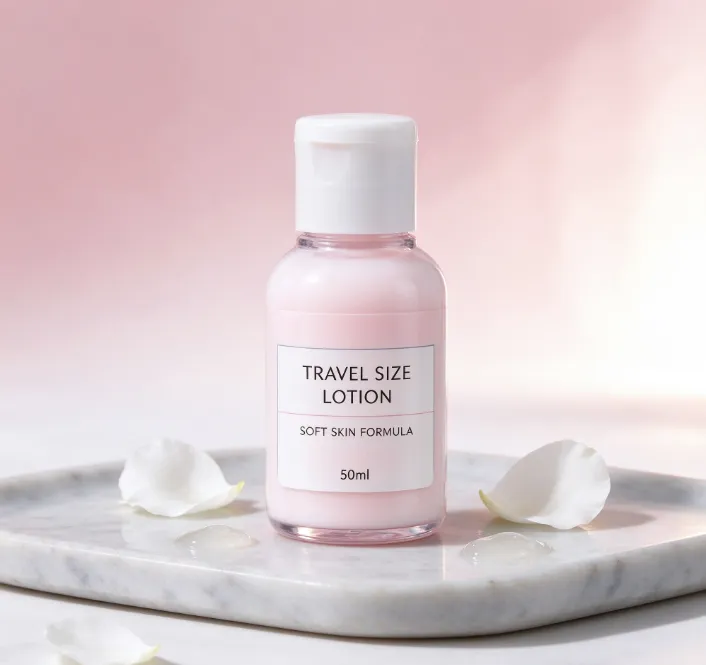
2.4 Filling Completion and Container Discharging
After filling, the containers are transferred to the next packaging process such as capping, press-capping, labeling and coding via the conveyor belt. In a fully automatic production line, all processes can be operated in continuous online connection, reducing manual operations and improving the efficiency of the entire packaging line.
3. Core Advantages of High-Viscosity Lotion Filling Machine
When purchasing lotion filling equipment, in addition to confirming that the machine can discharge and fill normally, it is also necessary to consider the long-term production stability, adaptability and maintenance cost of the equipment.
A high-viscosity filling machine with complete configurations usually has the following characteristics:
3.1 Accurate Dosing, Reducing Raw Material Waste
In cosmetic production enterprises, the filling volume of each bottle of product needs to remain stable. Insufficient filling will affect product quality and customer experience; excessive filling will increase raw material costs.
With a suitable quantitative filling system, the consistency of filling can be improved and unnecessary material loss can be reduced. The actual filling accuracy still needs to be confirmed through tests in combination with material viscosity, equipment configuration and production conditions.
3.2 Adapt to Lotions and Creams of Different Viscosities
The viscosity of different skincare products varies greatly. The fluidity of ordinary body lotions is generally better than that of heavy face creams; some body butters and high-concentration skincare creams require stronger material conveying capacity.
Therefore, the equipment needs to be equipped with a suitable hopper, conveying pump, filling mechanism and filling nozzle according to product characteristics to ensure that materials are smoothly delivered into the containers.
3.3 Flexible and Adjustable Filling Volume
Cosmetics have a wide variety of packaging specifications, ranging from small-capacity trial packs to large-bottle body lotions, with different filling requirements. Choosing equipment with adjustable filling volume makes it convenient for factories to adapt to multiple product specifications and reduce the cost of replacing equipment.
3.4 Easy to Clean and Maintain
Cosmetic factories often switch formulas and packaging specifications, so equipment cleaning and maintenance are also very important. It is recommended to focus on whether the material-contact parts are easy to disassemble and assemble, the cleaning difficulty, and whether the filling nozzles are easy to clean. For production lines with hygiene grade requirements, the appropriate material and hygienic structure should be selected according to products and production standards.
3.5 Support Automatic Online Production
When enterprises have large production capacity demands, they can choose a fully automatic lotion filling machine, and connect it with automatic bottle unscramblers, capping machines, labeling machines and other equipment according to the actual process.
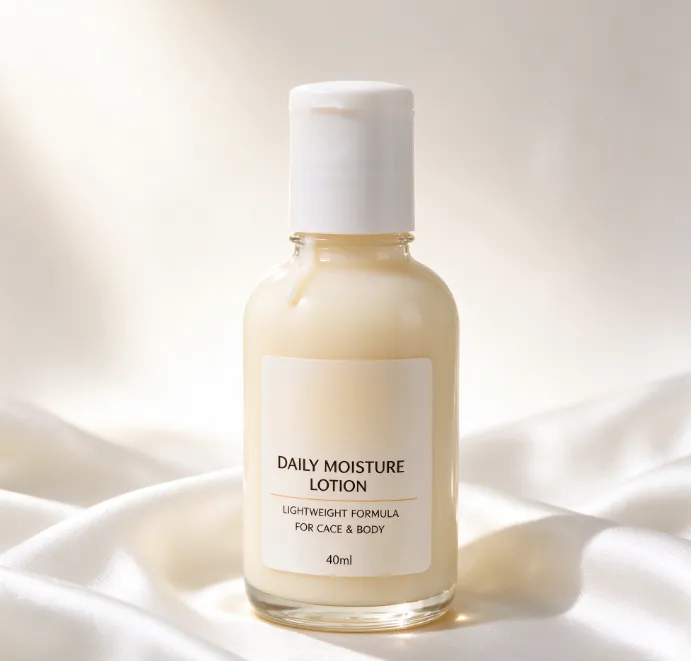
By building a complete set of automatic production lines, manual intervention can be reduced, production efficiency can be improved, and the connection of various packaging processes can be smoother.
4. How to Choose Filling Technology? Which One is Suitable for High-Viscosity Lotions?
The filling system directly determines the application scope of the equipment and the actual production effect. Commonly used solutions for high-viscosity lotions and cream products include piston filling systems, servo filling systems and material-adaptable pump feeding systems.
4.1 Piston Filling System
Piston filling machines are the mainstream choice for high-viscosity liquids and cream products, and are widely used in thick products such as body lotions, face creams and hand creams.
Principle: The piston reciprocates inside the cylinder to complete material suction and quantitative discharging.
Main advantages:
Adapt to various high-viscosity and semi-fluid products
Volumetric dosing with controllable filling volume
The filling volume can be adjusted according to production requirements
Suitable for cosmetics, skincare products and personal care products
For ultra-thick materials with extremely poor fluidity, a reasonable feeding method and hopper structure need to be matched.
4.2 Servo Filling System
The servo control system relies on a servo motor to drive the filling mechanism, which can adjust the filling speed, stroke and action more finely. Compared with traditional control methods, the servo has flexible adjustment parameters and fine action control, and is suitable for production lines that have high requirements for filling process control.
Note: Servo is a driving control method, not an independent material conveying principle. Common models on the market can be made into a combined structure such as servo-driven piston filling.
4.3 Pump Feeding System
Some high-viscosity lotions cannot meet the continuous production demand only by gravity feeding. At this time, a pump feeding system can be matched.
Different pump types are suitable for different material characteristics. The selection needs to evaluate:
Actual product viscosity
Material fluidity and the influence of temperature changes
Whether the product contains particles or special additives
Whether the material is shear-sensitive
Whether the feeding speed can match the filling rhythm
Selection Suggestion: The physical properties of different lotions and creams vary greatly. The filling solution cannot be determined only by the product name. It is recommended to provide physical samples to the equipment manufacturer for testing, and inform them of the filling volume, container specifications and target production capacity at the same time.
5. Applicable Industries of High-Viscosity Lotion Filling Machine
High-viscosity lotion filling machines are not only used for ordinary body lotion production, but also widely used in the packaging of various cosmetics and personal care products.
5.1 Skincare Industry
It is suitable for the quantitative filling of skincare products such as face creams, moisturizing creams, nourishing creams and sunscreen products. These products usually have high requirements for packaging appearance, filling consistency and production hygiene conditions.
5.2 Body Care Industry
Body lotions, body balms, hand creams and massage creams are typical application scenarios for high-viscosity filling equipment. Different brands have great differences in formulas and viscosities, and the filling structure needs to be selected according to the actual materials.
5.3 Hair Care Industry
Conditioners, hair masks, thick hair lotions and some hair care creams can all be packaged with adapted high-viscosity filling equipment.
5.4 Personal Care and Other Industries
In addition, some semi-fluid products such as facial cleansers, cleansing creams and skincare gels can also be filled with corresponding high-viscosity filling equipment. If the product has special viscosity, contains particles or is easy to foam, it is recommended to conduct a filling test before procurement.
6. How to Choose a Suitable High-Viscosity Lotion Filling Machine?
Different enterprises have different product formulas, packaging specifications and production scales. No single machine can adapt to all lotion products.
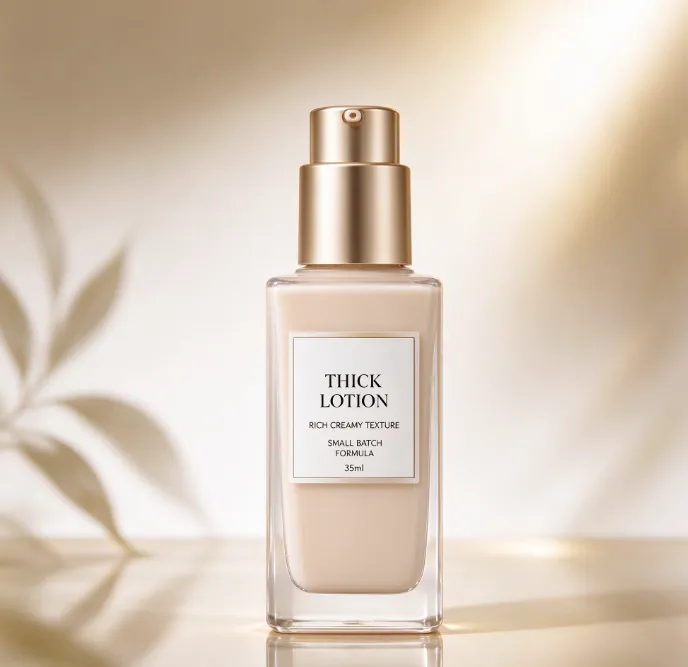
Before procurement, it is recommended to focus on evaluating the following six points:
6.1 Material Viscosity and Material Characteristics
This is one of the most important factors in model selection. Ordinary lotions, thick body lotions and creams have obvious differences in fluidity, and their requirements for feeding and filling mechanisms are completely different. During procurement, it is recommended to send samples to the equipment manufacturer, and provide viscosity parameters if possible to confirm whether the equipment can fill stably.
6.2 Filling Volume and Packaging Specifications
First confirm the filling capacity of the product, for example:
30g/50g: trial packs of face creams and skincare balms
100g/200g: hand creams and other medium and small-capacity skincare products
250ml/500ml: common bottled products such as body lotions and conditioners
The above are only examples of common specifications. During model selection, the container shape, bottle mouth size and filling method should also be considered at the same time.
6.3 Production Speed and Production Capacity Demand
Different factories have different production efficiency targets. If the daily output is small, a semi-automatic filling machine can meet the demand; if long-term large-scale continuous production is required, a multi-head fully automatic filling equipment can be considered. Before procurement, clarify the target output per hour and confirm the actual stable production capacity with the equipment manufacturer.
6.4 Container Type and Size
In addition to the filling volume, it is also necessary to confirm the type and size of the packaging containers, such as:
Plastic bottles
Glass bottles
Wide-mouth bottles
Cream jars
Hoses and other special packaging materials
The bottle mouth diameter, bottle height and shape of different containers will affect the filling structure and positioning method of the equipment.
6.5 Cleaning and Product Change Requirements
If the factory needs to frequently switch lotion formulas, it is preferred to choose a model with material-contact parts that are easy to disassemble, assemble and clean. This can not only shorten the production change time, but also reduce the risk of cross-contamination between different products.
6.6 Automation Level and Future Production Capacity Expansion Plan
If you plan to increase production capacity in the future, you can confirm in advance whether the equipment can be connected with other packaging machinery. For example: whether the filling machine can be connected with an automatic bottle unscrambler, capping machine, labeling machine and conveyor line, and whether it supports adding more filling nozzles later. Planning the production line in advance can avoid repeated investment in equipment upgrading in the later stage.
7. How to Build a Complete Lotion Filling and Packaging Production Line?
For cosmetic factories of a certain scale, purchasing only one filling machine often cannot cover all packaging processes. A fully automatic lotion filling and packaging line can be combined and configured according to material characteristics and factory needs.
Common equipment list:
Bottle unscrambler: automatically sorts empty bottles and sends them to the next process
Automatic lotion filling machine: fills lotions and creams according to the set capacity
Automatic capping machine: screws and seals the caps of filled bottles
Labeling machine: pastes product labels on the bottle body or containers
Coding machine: prints production date, batch number and other information
Bottle collecting and box packing equipment: completes subsequent material collection and box packing
Reasonable matching of equipment can reduce labor and improve the efficiency of the entire packaging line. Not all factories need to be equipped with the entire production line. Enterprises that are just starting out with small output can first configure a filling machine + capping machine, and then gradually add other equipment as business grows.
8. Frequently Asked Questions (FAQ) about High-Viscosity Lotion Filling Machines
Q1: Can the high-viscosity lotion filling machine fill body lotions and face creams?
Yes. As long as a suitable filling system is selected according to the product viscosity and fluidity, the high-viscosity lotion filling machine can fill body lotions, face creams, hand creams, body balms and other similar products.
Q2: Can thick lotions and ordinary lotions share the same filling machine?
It is possible in some cases, but it is necessary to confirm the equipment configuration according to the viscosity difference, filling volume and fluidity of the two products. If the viscosity differs greatly, it may be necessary to adjust the feeding system, filling speed, filling nozzles or other accessories. It is recommended to conduct a sample test before procurement.
Q3: Which filling machine is suitable for high-viscosity lotions?
Piston filling machines are the mainstream choice for creams and high-viscosity lotions, which belong to volumetric dosing filling. However, the final model selection should also be combined with the product formula, viscosity, filling volume, production speed and packaging containers, and cannot be determined only by the product name.
Q4: Can one lotion filling machine fill multiple capacities?
Yes, most lotion filling machines support adjusting the filling volume to adapt to containers of different specifications. However, the compatibility range depends on the machine structure. In some scenarios, it is necessary to replace the filling nozzles, adjust the container positioning mechanism or modify the configuration.
Q5: Should small cosmetic factories choose semi-automatic or fully automatic filling machines?
It mainly depends on the production scale, labor cost and budget. Semi-automatic equipment has lower investment and is suitable for small-batch and multi-variety production; fully automatic equipment reduces manual labor and is suitable for factories that need continuous production and improved production capacity.
Q6: What information do I need to provide to the manufacturer when purchasing a high-viscosity lotion filling machine?
To facilitate the manufacturer to recommend the right model accurately, it is recommended to prepare in advance:
Product name and physical samples
Material viscosity or flow characteristics
Filling capacity per bottle
Photos and dimensions of the packaging containers
Target output per hour/per day
Whether supporting equipment such as feeding, capping and labeling is required
The more complete the information, the easier it is for the manufacturer to provide a solution that fits the actual production.
9. Find a High-Viscosity Lotion Filling Solution Suitable for Your Products
Choosing the right high-viscosity lotion filling machine is not only related to the product filling quality, but also directly affects the production efficiency and long-term operation cost of the factory.
No matter you fill body lotions, hand creams, face creams, conditioners or other high-viscosity cream products, equipment selection must be based on material characteristics, packaging specifications and production requirements.
We focus on packaging and filling equipment, and can provide customers with filling equipment and packaging production line supporting solutions according to different products and production capacity demands.
Are you looking for a suitable low-viscosity lotion filling machine?
Welcome to contact us and provide the following information:
Product type and samples to be filled
Target filling capacity
Photos of bottles or packaging containers
Expected production speed
Our team will evaluate the appropriate filling method, equipment configuration and automation scheme according to your actual needs, and match a suitable packaging solution for your production line.
label: