English
 Español
 لالعربية

Automatic Vial Filling Machine
release time:
2026-10-23
How to Choose the Right Automatic Vial Filling Machine for Your Product?When sel
How to Choose the Right Automatic Vial Filling Machine for Your Product?
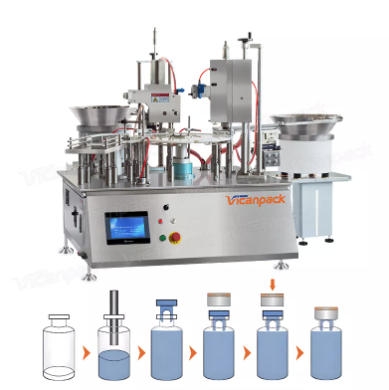
When selecting an automatic vial filling machine, it is not enough to simply consider whether the equipment can perform the filling process; you must also ensure it is well-suited to your specific product, production volume, and operational environment.
For companies in the pharmaceutical, biotechnology, and cosmetics sectors, choosing the wrong equipment can lead to a range of issues—such as inaccurate fill volumes, product waste, excessive cleaning times, an increased risk of cross-contamination, and difficulties in meeting quality management and regulatory standards.
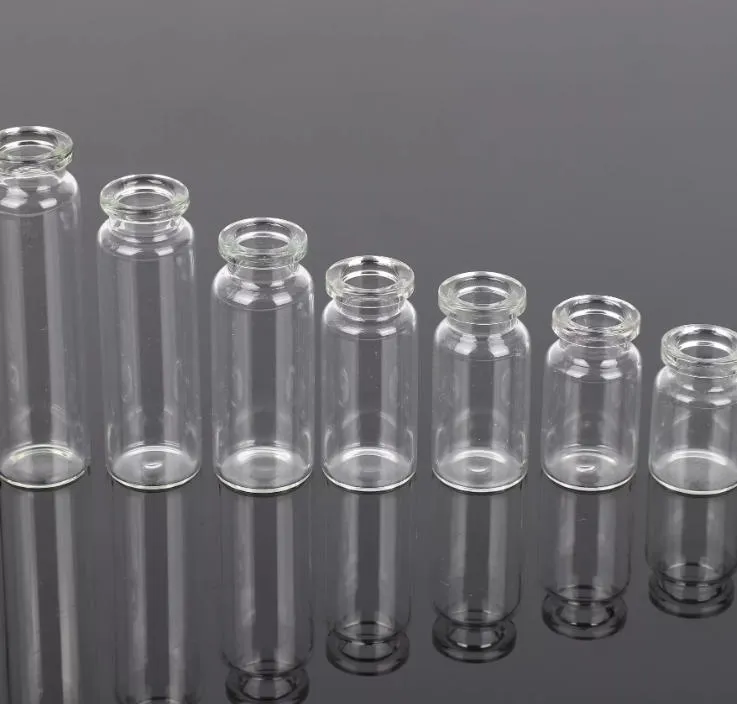
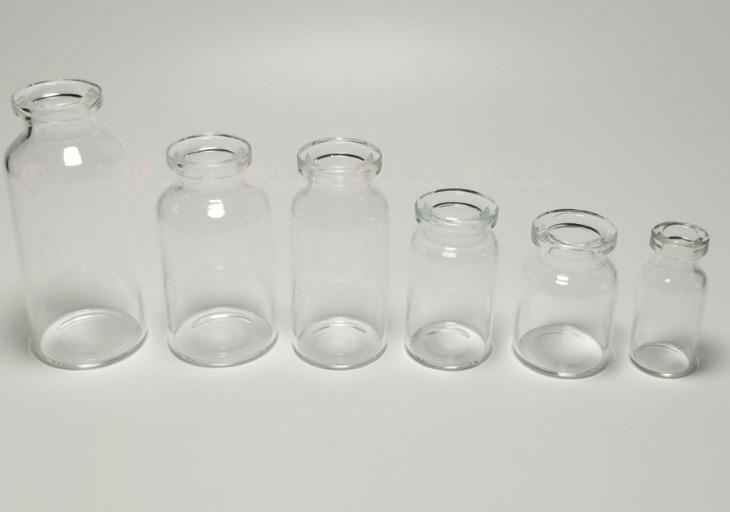
While some production managers and laboratory heads may prioritize price or production speed when purchasing equipment, they must also verify that the machine can handle the required vial specifications, operate effectively within a cleanroom environment, and allow for easy adjustments when switching between products or production batches.
Therefore, when selecting an automatic vial filling machine, it is recommended to focus on the following five key areas:
1. Production scale and actual capacity
2. Filling accuracy
3. Hygienic design and regulatory compliance
4. Compatibility with vials, stoppers, and caps
5. Compatibility with the existing production environment and equipment
In this guide, I will examine these critical factors and explain why compact, rotary-style automatic vial filling and capping machines are well-suited for laboratory R&D, pilot-scale production, and small-to-medium batch manufacturing.
1. Production Scale: Selecting Equipment Based on Actual Output
When choosing an automatic vial filling machine, the first step is to confirm that the equipment aligns with your current production requirements.
If the machine’s capacity significantly exceeds your actual needs, it may lead to unnecessary costs regarding procurement, installation, and maintenance. Conversely, if the capacity is insufficient, it could disrupt your production schedule.
Large-scale automatic vial filling lines are typically designed for high-volume, high-speed production. Compact filling equipment may be more suitable for the following production scenarios:
- Laboratory R&D and formulation testing
- Pilot-scale production
- Small-batch production during the initial market launch of new products
- OEM manufacturing for various clients
- Small-batch production of cosmetics and biotechnological products
For instance, if your target capacity is 20 to 30 vials per minute, you might consider whether a compact, rotary automatic vial-filling machine meets your requirements. Compared to large-scale production lines, such equipment typically has a smaller footprint, simpler installation requirements, and is better suited for smaller production runs.
However, when selecting equipment, one should not rely solely on the manufacturer’s stated maximum speed. It is also necessary to verify the following metrics:
- Actual production speed: The number of vials that can be filled per minute under real-world conditions—considering the specific product, fill volume, and operational environment.
- Changeover time: The time required for cleaning, adjustments, and preparation when switching between products or production batches.
- Operational stability: The equipment’s ability to maintain consistent performance throughout the scheduled production run.
- Loading/unloading method: Whether the equipment supports manual, semi-automatic, or fully automatic loading.
- Future capacity requirements: Whether the equipment can still meet production plans should order volumes increase.
When choosing equipment, the decision should be based on current output, existing production processes, and future capacity needs, rather than simply pursuing the highest possible production speed.
2. Filling Accuracy: Minimizing Product Waste and Ensuring Consistent Fill Volumes
Filling accuracy is a critical performance indicator for automatic vial-filling machines, especially when handling high-value liquids.
Typical products include biologics, vaccine-related products, diagnostic reagents, cosmetic serums, and other liquid formulations.
Significant variations in fill volume per vial can lead to the following issues:
- Increased product consumption, resulting in higher material costs.
- Non-compliance with fill volume specifications, necessitating product rework or disposal.
- Compromised consistency in product quality.
- Increased complexity in quality inspections and production validation. For applications where it is necessary to minimize liquid residue and the risk of cross-contamination, a peristaltic pump filling system may be a suitable choice.
Peristaltic pumps transport liquid by compressing flexible tubing. In a properly configured system, the product comes into contact only with the tubing and other product-contact components, rather than the mechanical drive mechanisms of the pump. This design facilitates the replacement of product-contact tubing and helps reduce the risks associated with cleaning and cross-contamination.
It should be noted that the use of a peristaltic pump does not automatically guarantee a specific level of filling accuracy. Actual performance is influenced by factors such as liquid viscosity, fill volume, the condition of the tubing, filling speed, and equipment settings.
Similarly, the suitability of CIP (Clean-in-Place) and SIP (Sterilization-in-Place) processes depends on the equipment’s construction, piping design, and specific configuration; it cannot be determined solely by the type of pump used.
When comparing different systems, it is advisable to confirm the following information with the supplier:
- The applicable fill volume range for the equipment.
- Filling accuracy at various fill volumes.
- Results from tests conducted using the actual product.
- Whether the equipment meets the specific filling requirements for the target liquid.
- Procedures for cleaning and replacing product-contact components.
If possible, provide samples of your product and the specific vials to be used, and request that the supplier perform filling tests. This allows for a more accurate assessment of whether the equipment meets your actual production requirements.
3. Hygienic Design and Compliance: Ensuring Suitability for the Production Environment
For the production of pharmaceuticals and certain biotechnological products, the hygienic design of the equipment, its cleaning methods, and the associated documentation must be carefully evaluated.
When selecting an automated vial-filling machine, consider the following aspects:
- Materials of product-contact components: Ensure the materials are compatible with the product’s characteristics and the intended cleaning methods.
- Surface design: Surfaces should be easy to clean, with minimal areas where product residue could accumulate.
- Equipment construction: Check for crevices, "dead zones," or hard-to-reach areas that are difficult to clean.
- Disassembly and maintenance: Verify that product-contact components can be easily removed, inspected, and reinstalled.
- Cleaning and sterilization requirements: Confirm that the cleaning and sterilization methods supported by the equipment align with your production processes. - Technical Documentation: Confirm what equipment-related documentation—such as operating instructions, maintenance manuals, and validation support—the supplier can provide.
For pharmaceutical manufacturing projects, it is also essential to verify that the equipment design and documentation comply with relevant Good Manufacturing Practice (GMP) requirements, based on the specific product type, production process, and target market.
Overseas clients may also request documentation such as CE conformity declarations, ISO certifications, or RoHS compliance data. However, these documents serve different purposes and are not interchangeable; furthermore, they do not, on their own, prove that the equipment meets all requirements for pharmaceutical production.
For instance, CE requirements depend on the type of equipment, applicable regulations, and the target market; ISO certificates must be evaluated based on the specific standard and scope of certification; and RoHS pertains specifically to restrictions on certain hazardous substances.
Therefore, before procuring equipment, it is advisable to clearly define the necessary certifications, technical documentation, cleaning procedures, and validation support required for the project, and to request the corresponding materials from the supplier.
These requirements are particularly critical for CDMOs (Contract Development and Manufacturing Organizations) and OEMs, as their equipment may need to support the production of products for various clients and must be capable of passing client audits.
4. Flexibility: Confirming the equipment’s ability to handle vials of different specifications.
If a facility is required to manufacture multiple products, the equipment’s compatibility with different specifications and the methods for making adjustments are of great importance.
Before purchasing an automatic vial-filling machine, verify that the equipment can accommodate the various packaging specifications and product types used in your production process.
Key parameters to examine include:
- Vial Diameter: Determine whether changing the diameter of the vials requires replacing transport or positioning components.
- Vial Height: Confirm whether the equipment can accommodate vials of varying heights.
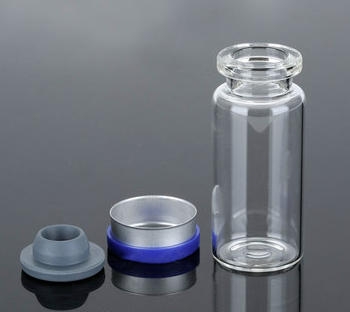
- Vial Opening Specifications: Ensure that the opening dimensions are compatible with the filling needles, stoppers, and capping components.
- Stopper Type: Verify that the equipment supports the required rubber stoppers or other sealing components.
- Cap Specifications: Confirm that the equipment supports the necessary aluminum caps or other types of closures.
- Fill Volume: Ensure the equipment can meet the fill volume requirements for different products.
- Liquid Viscosity: Confirm that the filling system is suitable for the flow characteristics of the target liquids.
The adjustment range varies by piece of equipment. Some machines can handle multiple vial specifications through parameter adjustments, while others may require the replacement of dedicated, application-specific components. Therefore, one should not judge a machine's suitability solely based on claims of "multi-specification compatibility" in its promotional material. It is advisable to provide the supplier in advance with details regarding vial dimensions, neck specifications, types of stoppers and caps, and the target fill volume.
Additionally, it is important to confirm which components are required for format changes, how much time the process takes, and whether professional technical personnel are needed to perform the adjustments.
For facilities that frequently switch between products or packaging specifications, equipment with simple adjustment procedures and short changeover times can minimize downtime and increase the flexibility of production scheduling.
5. Production Environment and Equipment Integration: Ensuring Compatibility with Existing Facilities
Beyond the performance of the equipment itself, it is essential to verify whether an automatic vial filling machine can be installed within the existing production area and integrated effectively with other production equipment.
Before procurement, consider the following:
- Installation Space: Do the machine's dimensions meet the facility's spatial requirements, and is there sufficient room for operation, cleaning, and maintenance?
- Cleanroom Requirements: Are the equipment's design, materials, and operational methods suitable for the intended cleanroom environment?
- Utility Requirements: What are the machine's requirements for power supply, compressed air, and other utilities?
- Production Workflow: Can the equipment integrate seamlessly with existing processes for vial feeding, filling, stoppering, and capping?
- Future Scalability: Does the system allow for future integration, should there be a need to add more equipment or increase the level of automation?
If the production line includes additional equipment—such as washing, sterilization, inspection, or other packaging systems—it is crucial to verify that the interfaces, transport mechanisms, and production cycle times (throughput) are compatible across all units.
For laboratories, pilot plants, and small-to-medium-batch production projects, compact equipment may be better suited to limited installation space. However, its ultimate suitability must still be evaluated based on the specific cleanroom layout, production workflow, and overall equipment configuration.
Why Consider a Compact Rotary Vial Filling and Capping Machine?
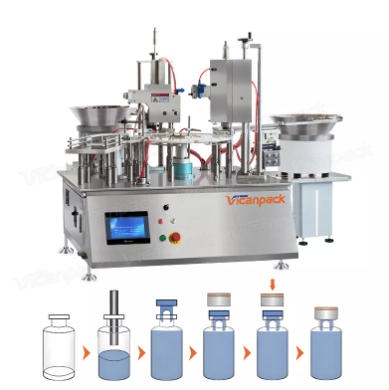
For laboratory R&D, pilot-scale production, and small-to-medium-batch manufacturing, a compact rotary vial filling and capping machine is a viable option to consider.
Such systems typically integrate processes—including vial positioning, filling, and capping—into a highly compact machine structure. The specific processes that can be performed depend on the model and configuration of the equipment.
Compared to large-scale, high-speed production lines, certain compact units offer the following characteristics:
- A relatively small footprint.
- Suitability for small-to-medium batch production requirements.
- Flexible configuration options for specific filling and capping functions.
- Support for various vial sizes (though this may require changing out specific components).
- Availability of both semi-automatic and fully automated solutions, depending on production needs.
However, compact equipment may not be suitable for every production project. If a facility requires high throughput, complex automated workflows, or specific aseptic production and validation standards, it is necessary to conduct a detailed comparison of the technical specifications and overall production solutions offered by different systems.
Before making a purchase, it is advisable to confirm the following with the supplier: actual production speed, filling accuracy, vial compatibility, cleaning methods, capping quality, and whether the equipment meets the regulatory requirements of your target market.
Summary
When selecting an automatic vial filling machine, you should base your decision on your actual production requirements, while comprehensively evaluating factors such as throughput, filling accuracy, hygienic design, format compatibility, and environmental constraints.
For laboratory R&D, pilot-scale production, or small-to-medium batch runs, a compact, rotary-style automatic vial filling and capping machine may be an ideal choice. Ultimately, the specific model should be determined by the characteristics of your product, the scale of production, packaging specifications, and precise process requirements.
Prior to procurement, prepare detailed information—including product specifications, vial dimensions, target fill volumes, expected production capacity, and environmental requirements—and review each point with the equipment supplier.
Conducting actual product testing and verifying technical specifications will help you clearly determine whether the equipment meets your production needs, while also helping to minimize the need for post-purchase adjustments and additional costs.
label:
Previous
Previous